
By fari | Interior Design Enthusiast & Decor Expert
Thank you for reading this post, don't forget to subscribe!Updated November 2026
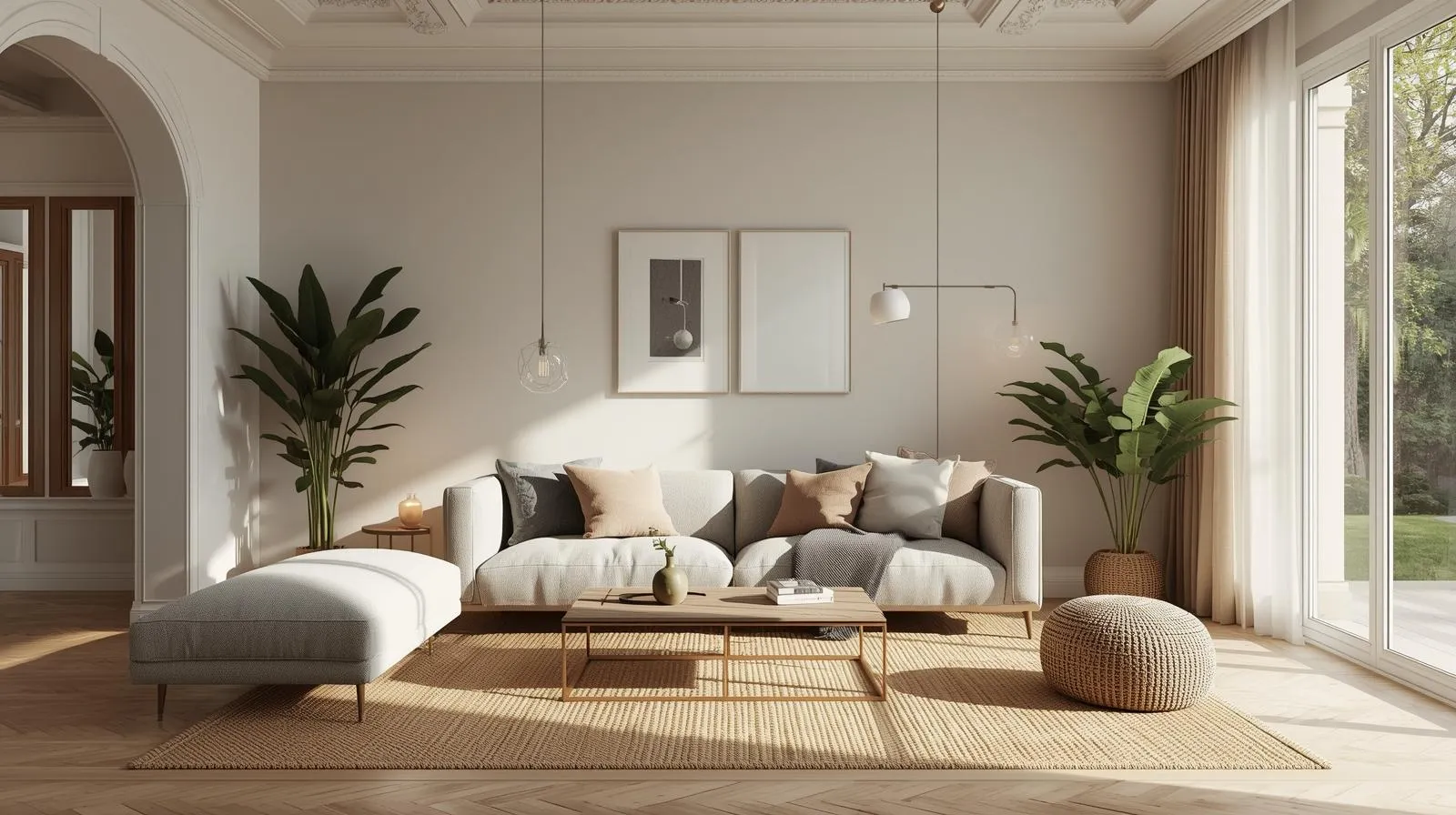
Your living room is where life happens. It is where you relax after long days, welcome friends, and make everyday memories. If you are looking for living room interior ideas that feel fresh but still livable, you are in the right place. Even a well-loved room can start to feel dull over time, and a few thoughtful changes can bring it back to life.
The good news? You do not need a full renovation or a big budget. With the right ideas and a little styling, you can turn your living room into a space that feels fresh, inviting, and truly yours.
Together, we’ll find 12 beautiful living room interior ideas that are practical, stylish, and easy to adapt to any home. Whether your style is modern, cozy, elegant, or minimal, these ideas are designed to spark inspiration and help you create a living room you truly love.
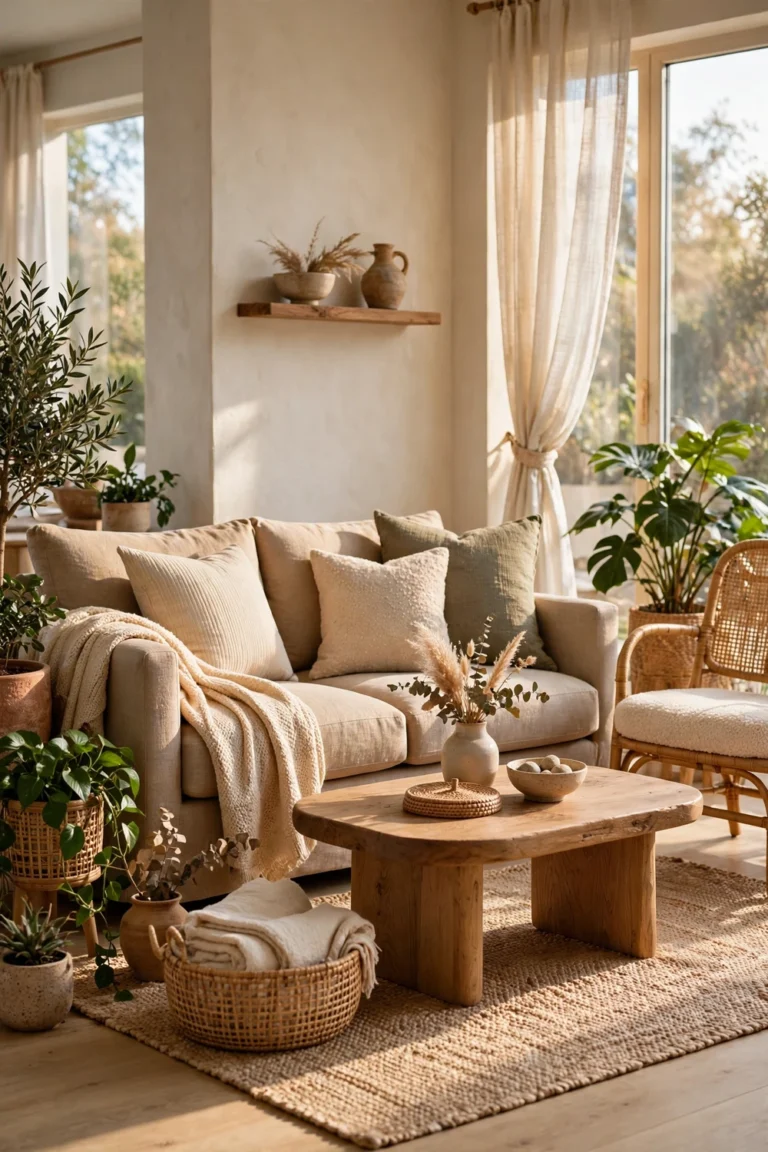
Key Takeaways
- Small design changes can dramatically improve your living room
- Mixing textures and layers adds warmth and personality
- Lighting, layout, and color choices matter more than expensive furniture
- Personal touches make a space feel lived-in and inviting
- Pinterest-style interiors balance beauty with everyday comfort
1. Embrace a Neutral Color Palette With Warm Layers
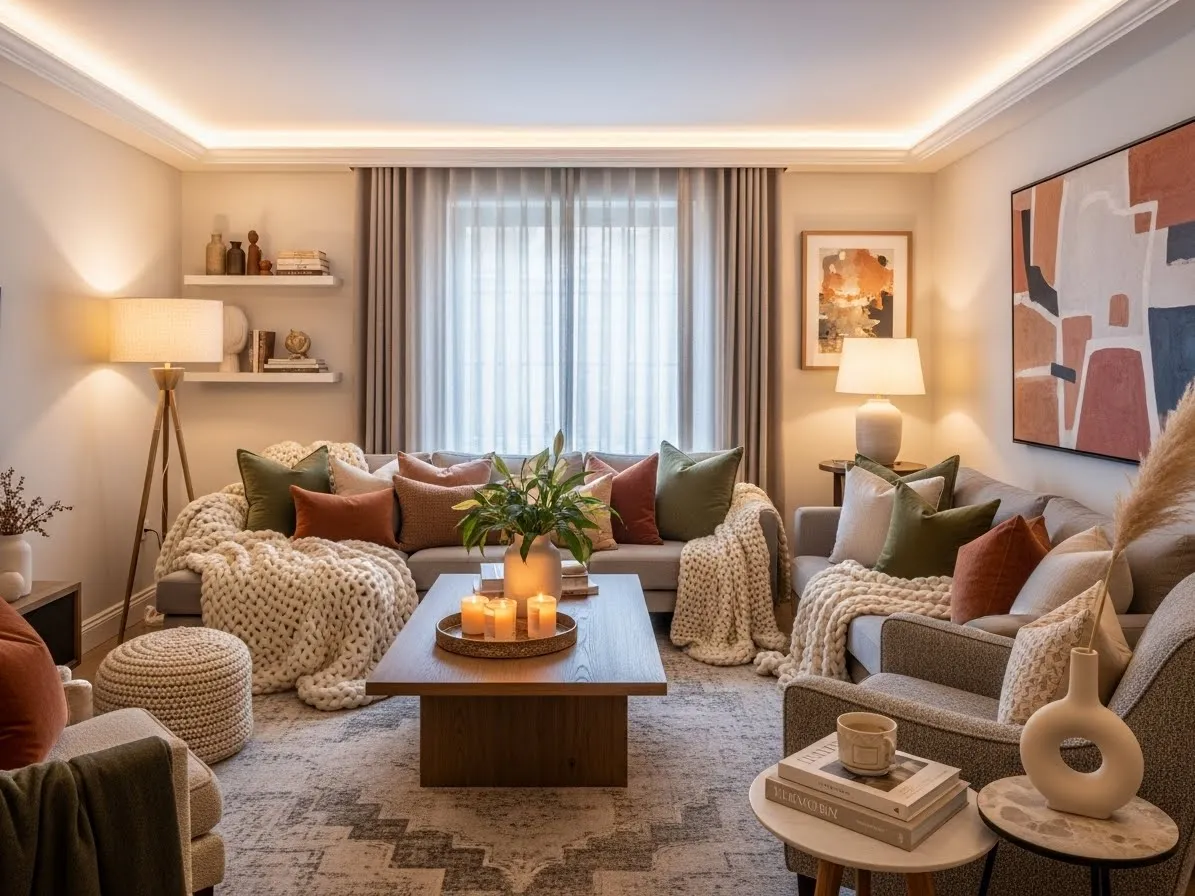
Neutral living rooms never go out of style. Shades like beige, cream, soft gray, and warm white create a calming foundation that feels light and airy. The key is layering these neutrals so the room doesn’t feel flat.
Add depth with textured throw pillows, cozy blankets, woven rugs, and natural wood furniture. Mixing different materials—like linen, wool, leather, and wood—keeps the space visually interesting while staying soft and welcoming.
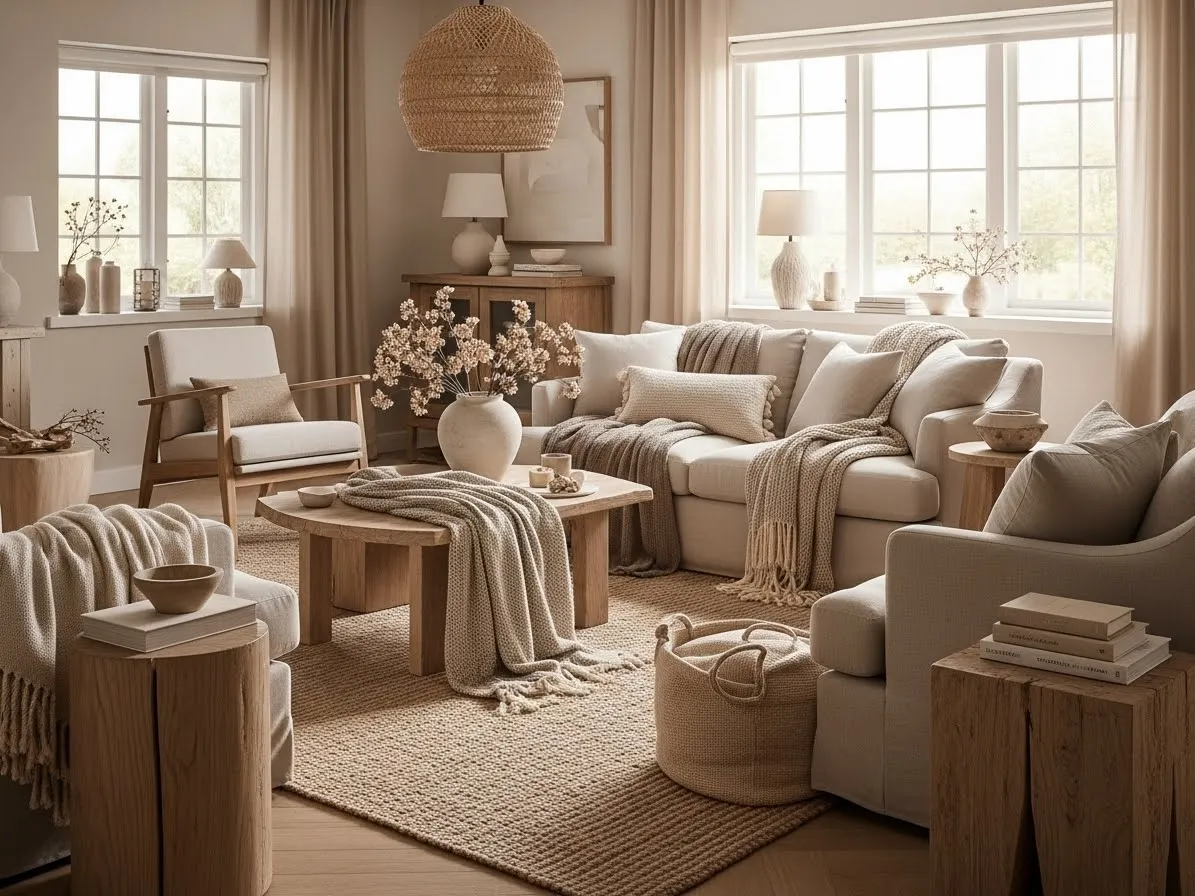
This idea works especially well if you love a calm, timeless look that’s easy to refresh with small seasonal updates.
2. Create a Cozy Seating Arrangement
A beautiful living room isn’t just about looks—it should also feel comfortable. Instead of pushing furniture against the walls, try arranging seating in a way that encourages conversation and relaxation.
Place sofas and chairs closer together, add a central coffee table, and use area rugs to define the space. Even in small living rooms, thoughtful furniture placement can make the room feel more intimate and functional.
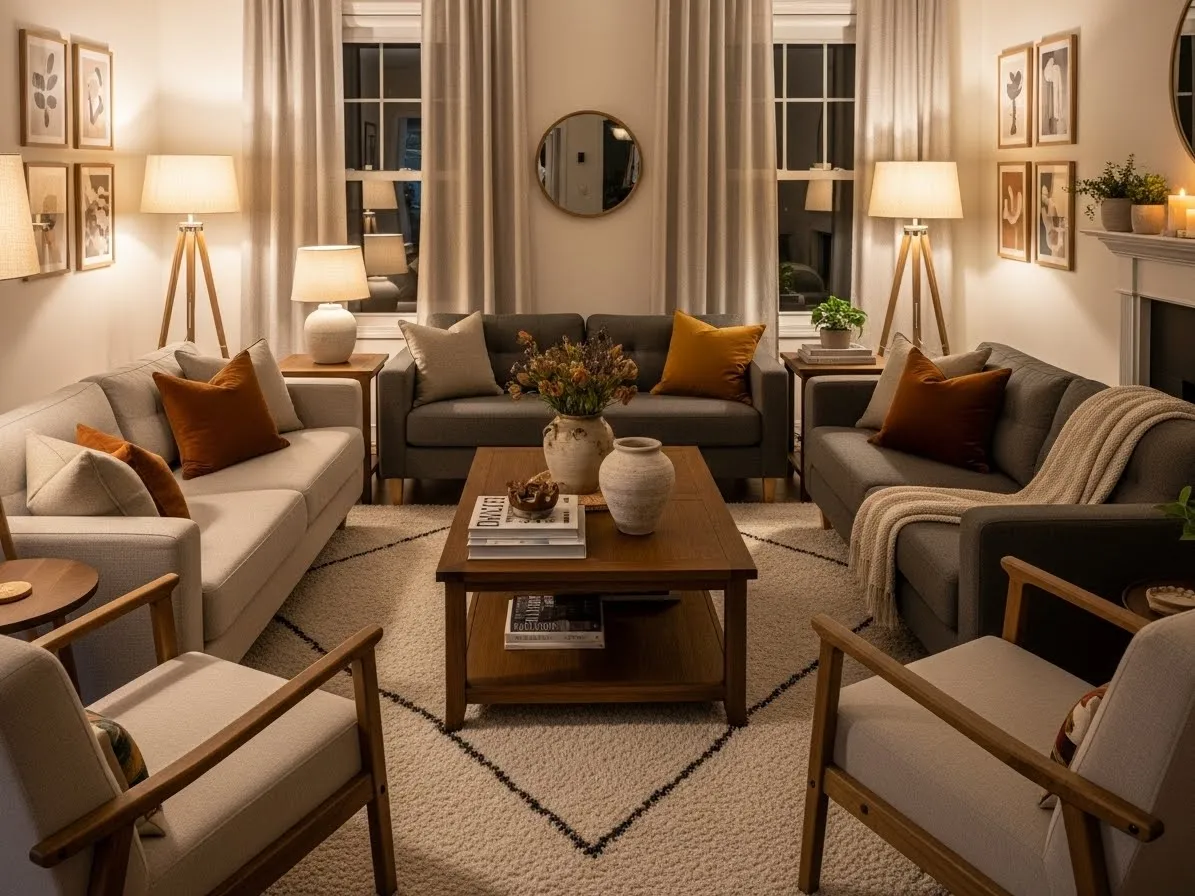
Comfortable seating instantly makes your living room more inviting for both family and guests.
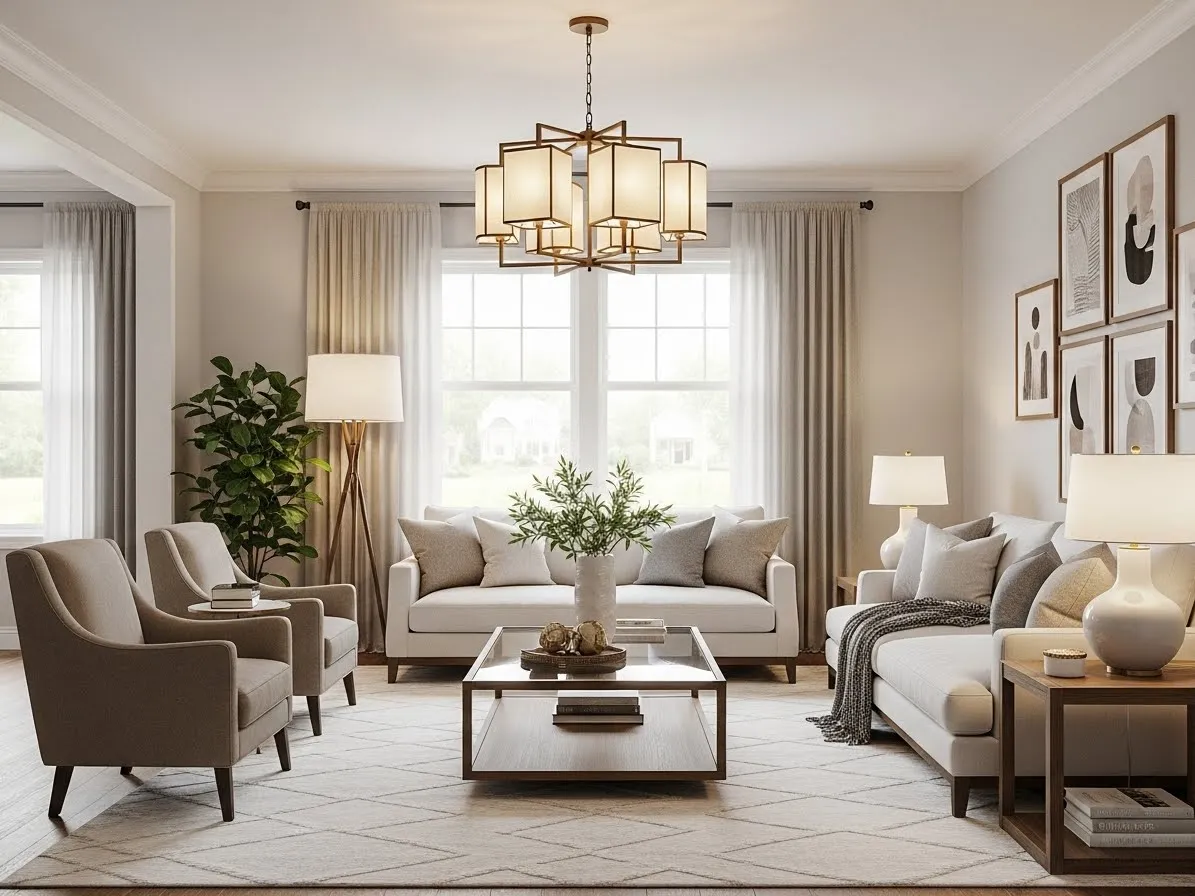
3. Add Statement Lighting for Instant Impact
Lighting is one of the most powerful design tools, yet it’s often overlooked. A statement light fixture can completely transform the look of your living room.
Consider a modern chandelier, a sculptural floor lamp, or a stylish pendant light. These elements act as both lighting and décor, adding personality to the space.
Layer your lighting by combining overhead lights, table lamps, and floor lamps. This creates a warm, cozy atmosphere that feels perfect day or night.
4. Bring Nature Indoors With Greenery
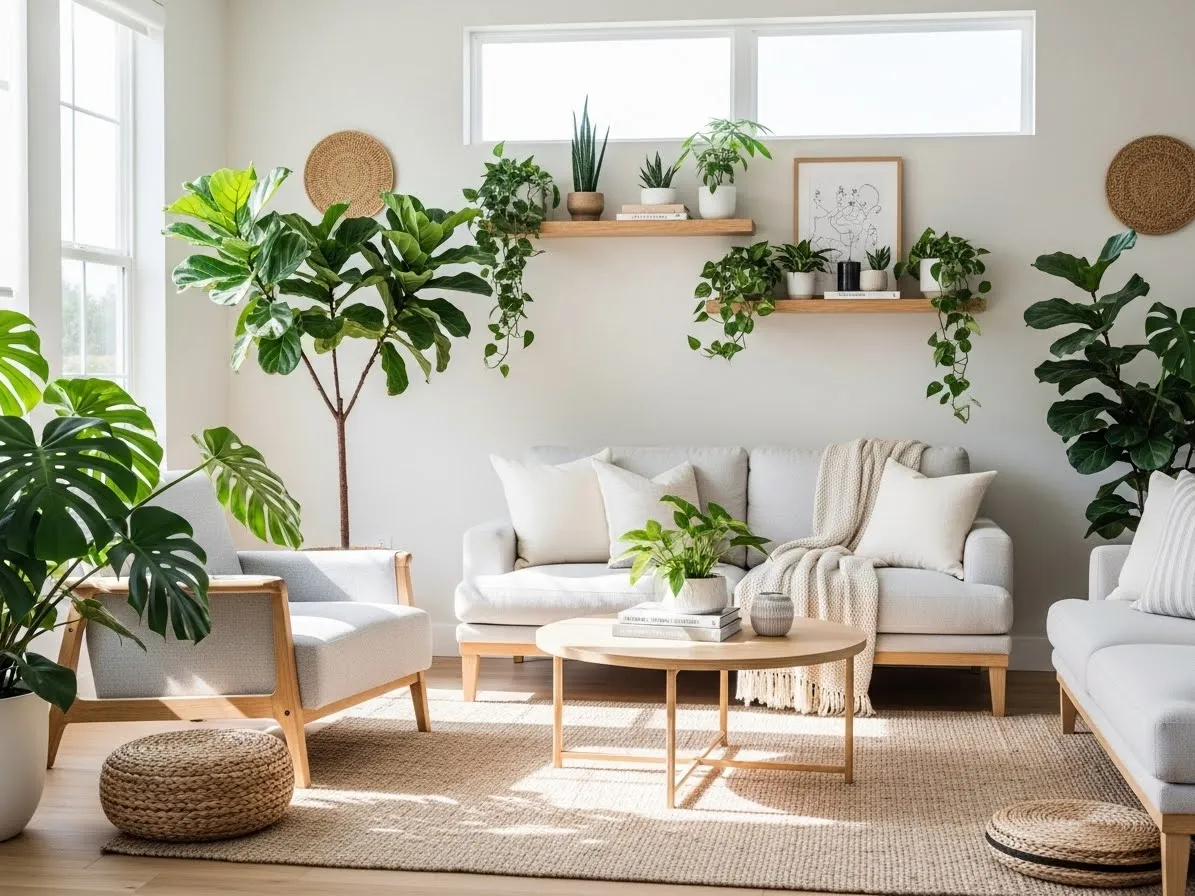
Plants instantly make a living room feel fresh, alive, and welcoming. Whether you prefer large indoor plants or small potted greenery, adding plants brings natural beauty into your space.
Tall plants work well in empty corners, while smaller plants can be placed on shelves, side tables, or window sills. If you don’t have a green thumb, high-quality faux plants are a great alternative.
Greenery adds color, texture, and a sense of calm that fits beautifully into any interior style.
5. Design a Stylish and Functional Accent Wall
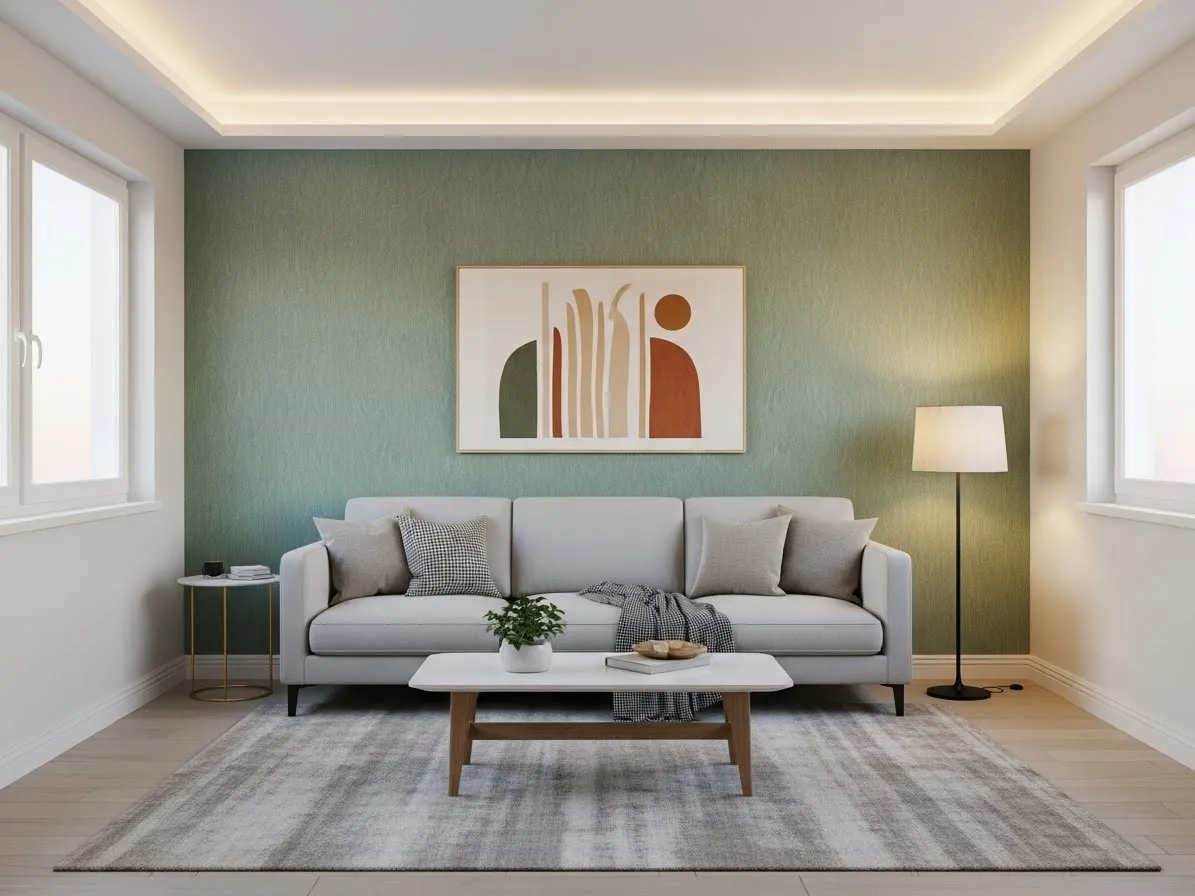
An accent wall is a great way to add character without overwhelming the room. You can create one using paint, wallpaper, wood panels, or textured finishes.
Soft colors keep the space elegant, while bold tones add drama. If you prefer something subtle, textured wallpaper or wood detailing can add depth without being too bold.
Accent walls are perfect for highlighting a sofa, TV area, or fireplace and instantly elevate the overall design.
6. Mix Textures for a Rich, Layered Look
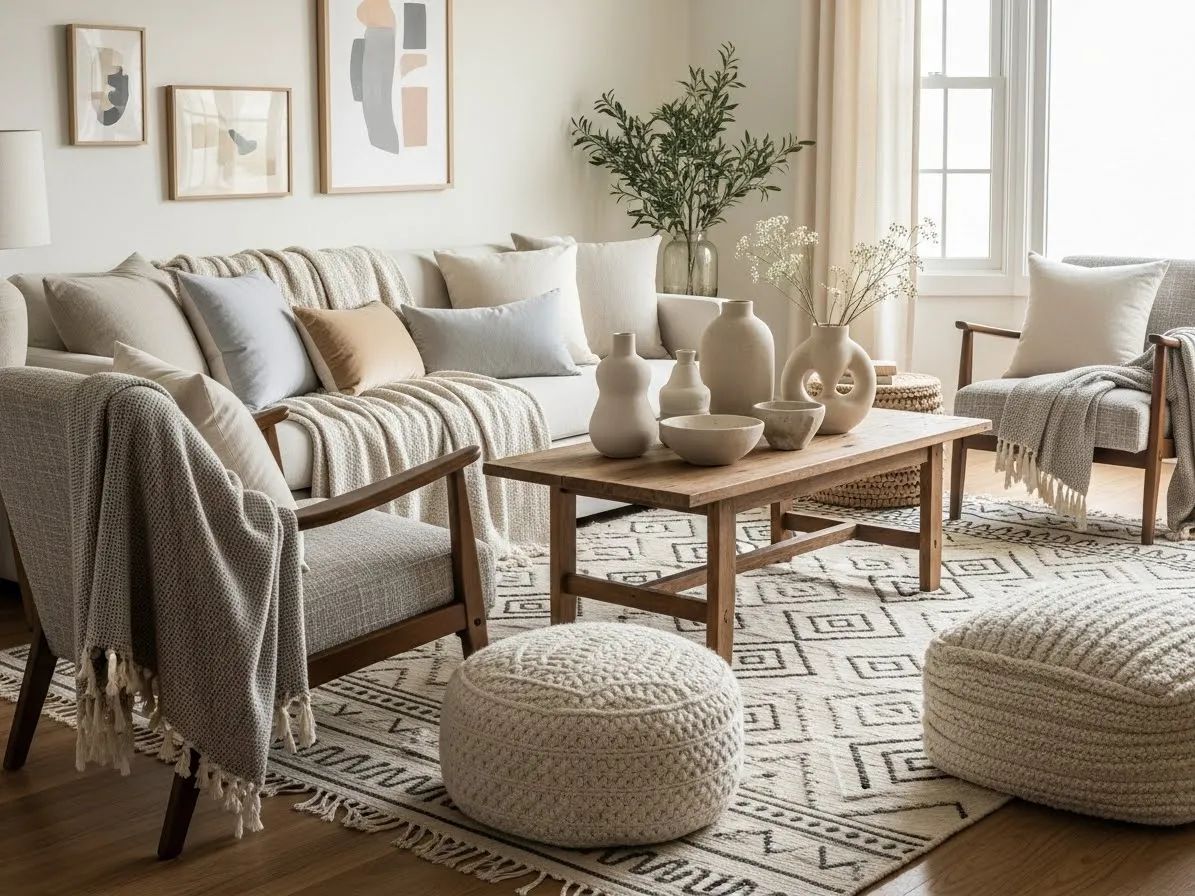
One of the easiest ways to make your living room look professionally styled is by mixing textures. Texture adds warmth and visual interest, even in simple color schemes.
Combine soft fabrics like velvet or linen with harder materials like metal, glass, or wood. Think plush cushions, woven rugs, smooth coffee tables, and ceramic décor.
This layered look feels cozy, balanced, and visually appealing—perfect for Pinterest-worthy interiors.
7. Keep It Minimal but Meaningful
Minimal doesn’t mean empty—it means intentional. A minimalist living room focuses on clean lines, open space, and carefully chosen décor.
Choose furniture with simple designs and keep decorations limited to pieces you truly love. Leave some empty space so the room can breathe.
This approach works especially well in smaller living rooms, making them feel larger, calmer, and more organized.
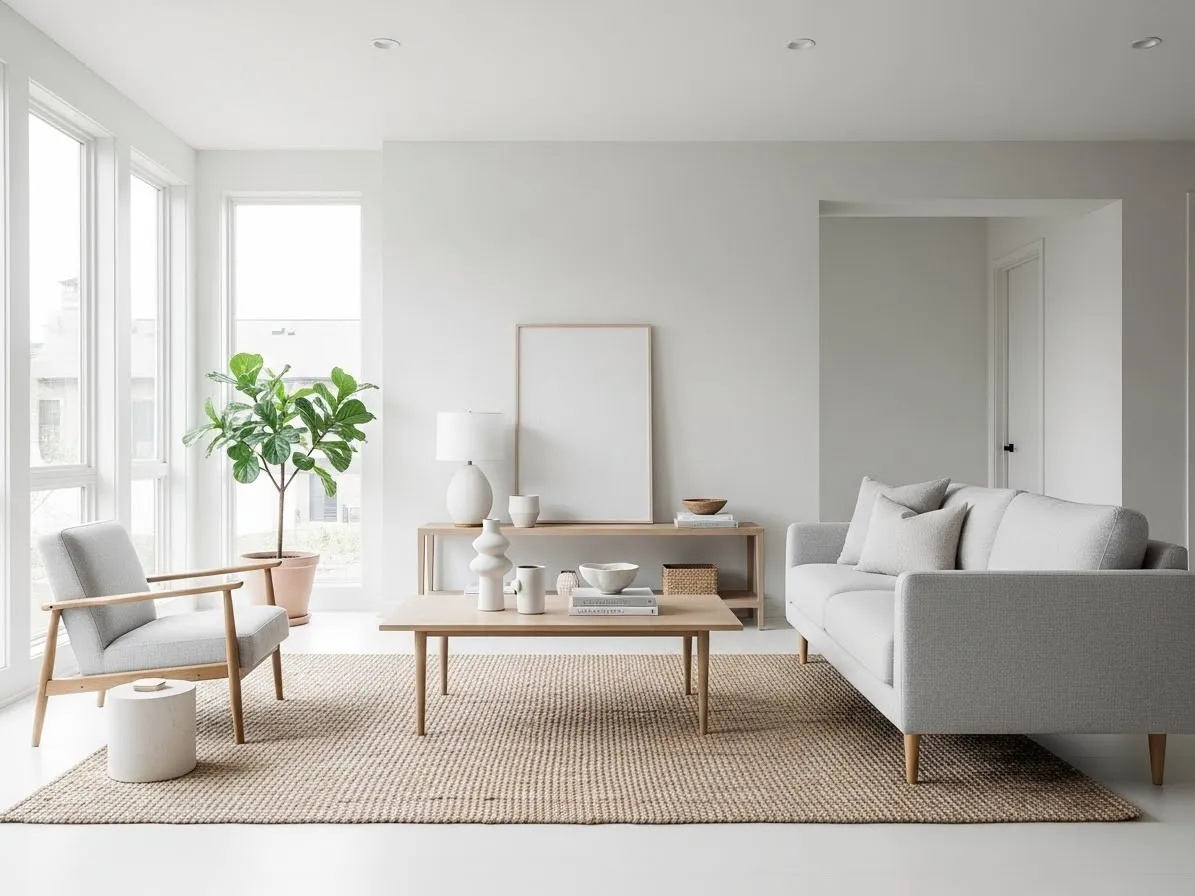
8. Use Rugs to Define the Space
Area rugs are not just decorative—they help define your living room and bring everything together. A well-chosen rug can anchor furniture, add color, and introduce texture.
Choose a rug large enough so at least the front legs of your furniture sit on it. This creates a cohesive, pulled-together look.
Patterns add personality, while neutral rugs keep the space calm and balanced.
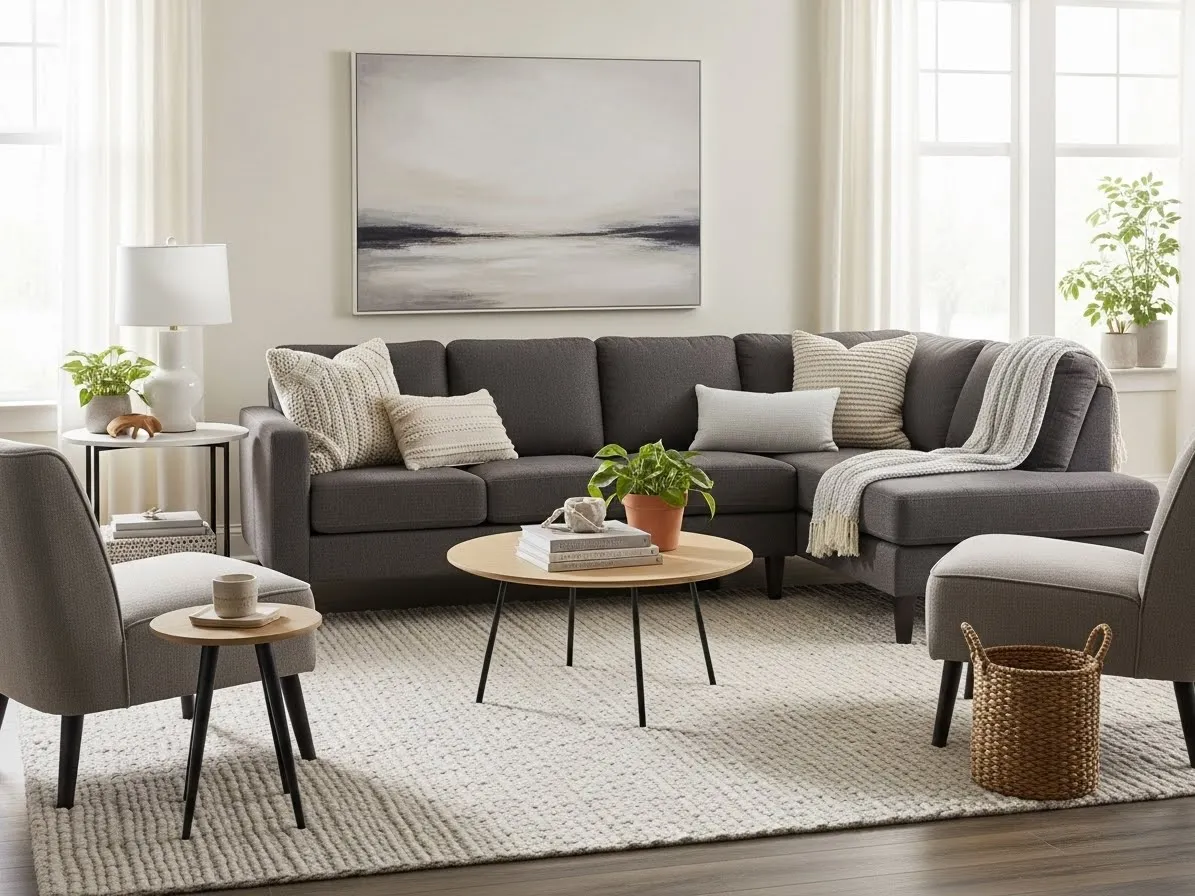
9. Add Personal Touches Through Décor
Your living room should reflect who you are. Personal touches make the space feel warm, lived-in, and unique.
Display framed photos, artwork, travel souvenirs, or books you love. These details tell a story and make your living room feel like home—not a showroom.
The key is balance: mix personal items with clean, simple décor so the space feels curated, not cluttered.

10. Style Open Shelving With Purpose
Open shelves can be both functional and beautiful when styled thoughtfully. Use them to display a mix of books, décor objects, plants, and baskets.
Stick to a simple color palette to keep shelves looking organized. Leave some empty space so items can stand out.
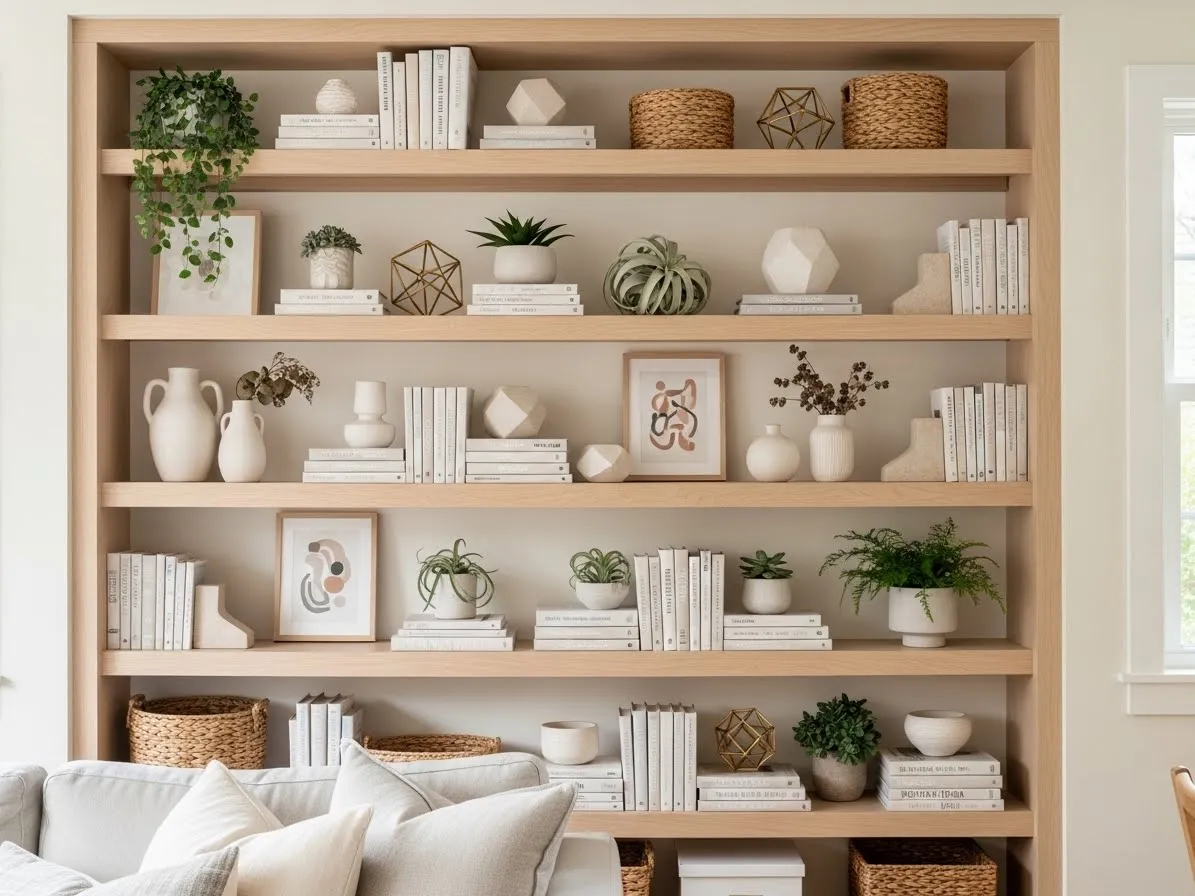
Open shelving adds visual interest and gives you a chance to refresh your décor whenever you want.
11. Choose Furniture That Matches Your Lifestyle
A beautiful living room should also support how you live. If you entertain often, focus on ample seating. If you relax with family, prioritize comfort and durability.
Choose furniture that fits your space and your needs. Oversized sofas work well in large rooms, while sleek pieces suit smaller spaces.
When furniture matches your lifestyle, your living room becomes both stylish and practical.
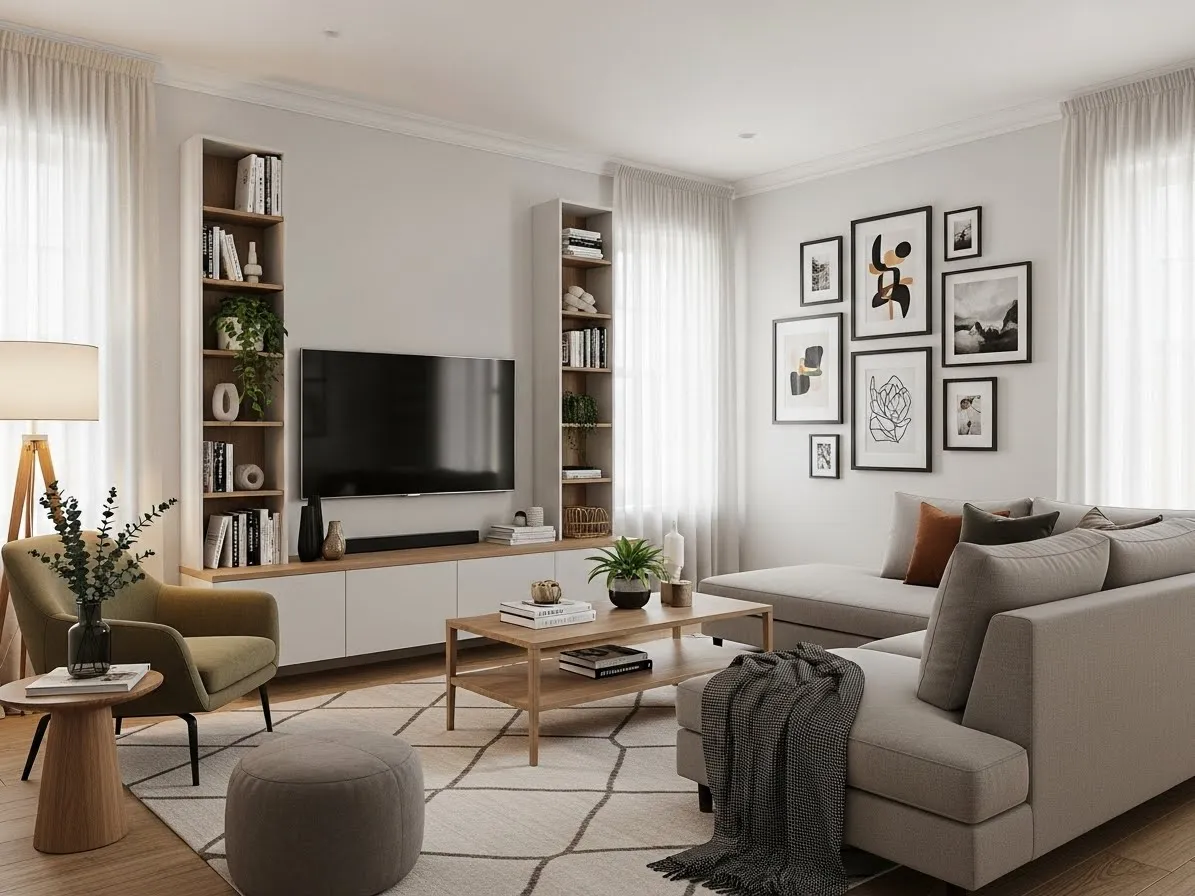
12. Balance Beauty With Everyday Comfort
The best living rooms are beautiful and livable. Soft cushions, cozy throws, and practical storage solutions ensure your space feels comfortable every day.
Don’t be afraid to mix elegance with comfort. A stylish room that’s too delicate to use won’t feel welcoming.
Aim for a balance where your living room looks great but still feels like a place to relax, unwind, and enjoy life.
Conclusion
Your living room should be a reflection of your lifestyle, personality, and comfort needs. With these 12 beautiful living room interior ideas, you can transform your space without stress or overwhelm.
Remember, great design isn’t about perfection—it’s about creating a space that feels welcoming, functional, and inspiring. Start with one idea, make small changes, and let your living room evolve naturally over time.
A beautiful living room isn’t built overnight, but with intention and creativity, it’s absolutely within reach.
Readers also explore these ideas
Explore More Ideas
Check out our other articles on HomefulSpell for more inspiration and dynamic spaces!
How to Refresh Your Living Room, Step by Step
Start with one idea from this post, not all twelve at once. Pick the change that will make the biggest difference in your room. For most rooms, that is the color palette, the seating or the lighting.
Set a neutral base first. Use beige, cream, soft gray or warm white on the walls and the larger pieces. Then add warm layers with throws, cushions and a rug, so the room feels cozy instead of flat.
Fix the lighting next. Add a statement light if you need one, then layer it with table lamps and a floor lamp. Soft, layered light makes the same room look warmer in the evening.
Place your seating so people can talk easily. Pull sofas and chairs closer together, add a central coffee table, and use a rug to mark the seating area. Then add greenery in an empty corner, and a few personal touches that mean something to you.
Step back and look at the room from the door. If it feels cluttered, take one thing away. If it feels cold, add one soft layer. Small changes, made one at a time, are how a living room starts to feel finished.
What It Costs to Refresh Your Living Room
You do not need a full renovation or a huge budget to make a big impact. Lighting, layout, and color choices matter more than expensive furniture. Start with small upgrades like throw pillows, rugs, and lamps. They make a big difference for a small spend, and you can add more later if you want.
What to Avoid in Your Living Room
Do not fill the room with too many decor items. If the room feels cluttered, it is time to scale back. Choose a few meaningful pieces rather than many small items.
Do not mix different styles with no link between them. You can mix styles, but only if there is a common element, like color or texture, to tie everything together. Without that link, the room can look random.
Do not use dark, heavy colors in a small living room. Light, neutral colors help a small space feel larger and brighter. You can add depth with darker accents, but let the light colors do most of the work.
Do not buy expensive furniture first and hope the room will come together. Lighting, layout, and color choices matter more than expensive furniture. Start with the base and the light, then add pieces that fit your life.
Do not chase perfection. Great design is not about a perfect room. It is about a space that feels welcoming, functional, and like you.
Frequently Asked Questions
Focus on lighting, textures, and cohesive color schemes. Small upgrades like throw pillows, rugs, and lamps make a big difference.
Light, neutral colors help small spaces feel larger and brighter. You can add depth with darker accents.
If the room feels cluttered, it’s time to scale back. Choose a few meaningful pieces rather than many small items.
Yes, as long as there’s a common element—like color or texture—to tie everything together.