By fari | Interior Design Enthusiast & Decor Expert
A kids bedroom should be more than a place to sleep — it should be a creative playground, cozy retreat, wonderland, and personal sanctuary all in one. When thoughtfully designed, a kid’s room becomes a space that nurtures imagination, supports play, and grows with your child through different stages of life.
Whether you’re updating a nursery, designing a playful toddler room, or refreshing a pre-teen’s space, these kids bedroom ideas offer fresh inspiration to help you transform ordinary walls and furniture into magical memories. From themed décor to smart storage solutions, the designs below balance style, function, and fun, ensuring both kids and parents love the result.
Table of Contents
Key Takeaways
- Balance style and function: Kids’ rooms need a blend of aesthetic appeal and practical storage.
- Encourage imagination: Themed décor like fairy tales, space, or nature sparks creativity and play.
- Adapt for growth: Design spaces that evolve from toddler playrooms to tween study zones. (DesignCafe)
- Use smart storage: Built-in drawers, floating shelves, and multi-use furniture keep clutter manageable.
1. Whimsical Fairy-Tale Retreat
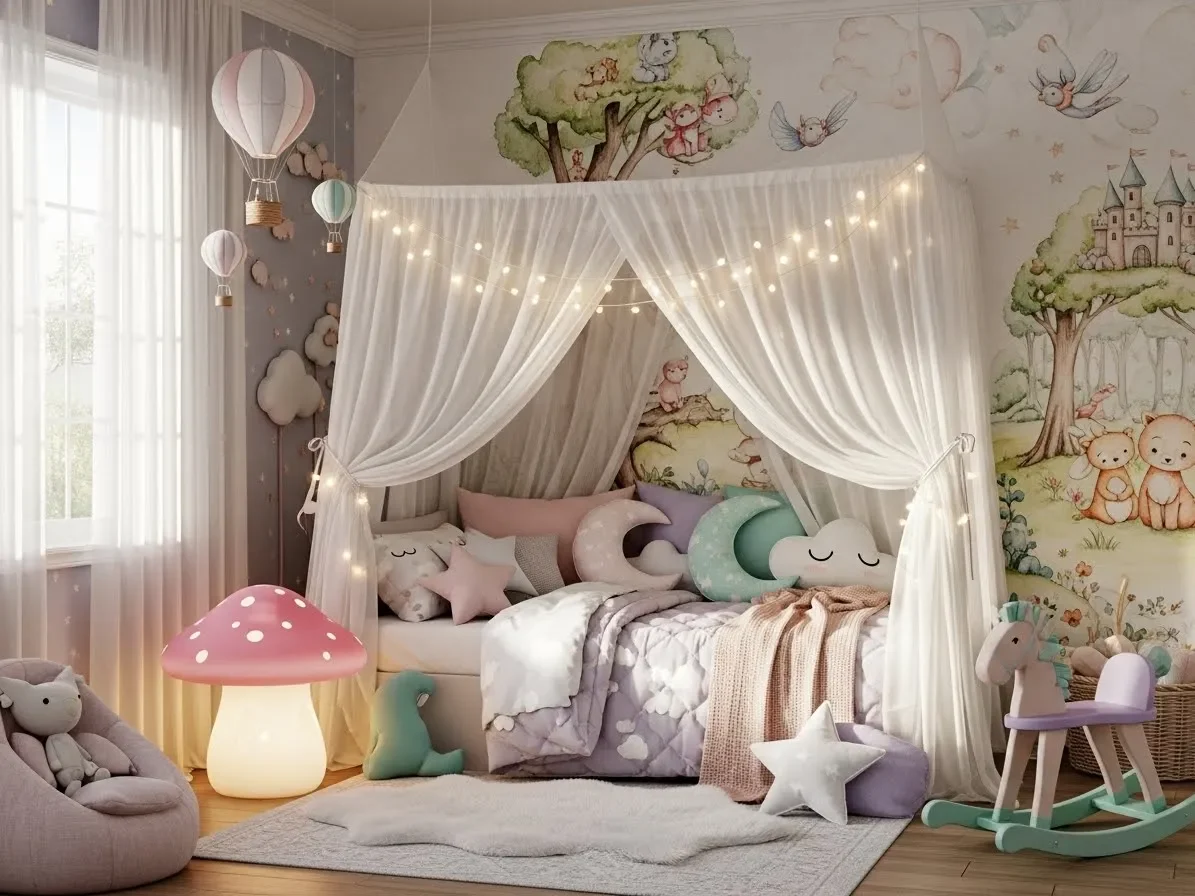
Bring storybook charm to life by incorporating soft pastel walls, twinkling fairy lights, and delicate canopies. A theme like this adds romance and wonder to a child’s everyday space, transforming bedtime routines into enchanting adventures. Add plush rugs and soft textiles to complete the fairy-tale feel.
2. Space Explorer Galaxy Room
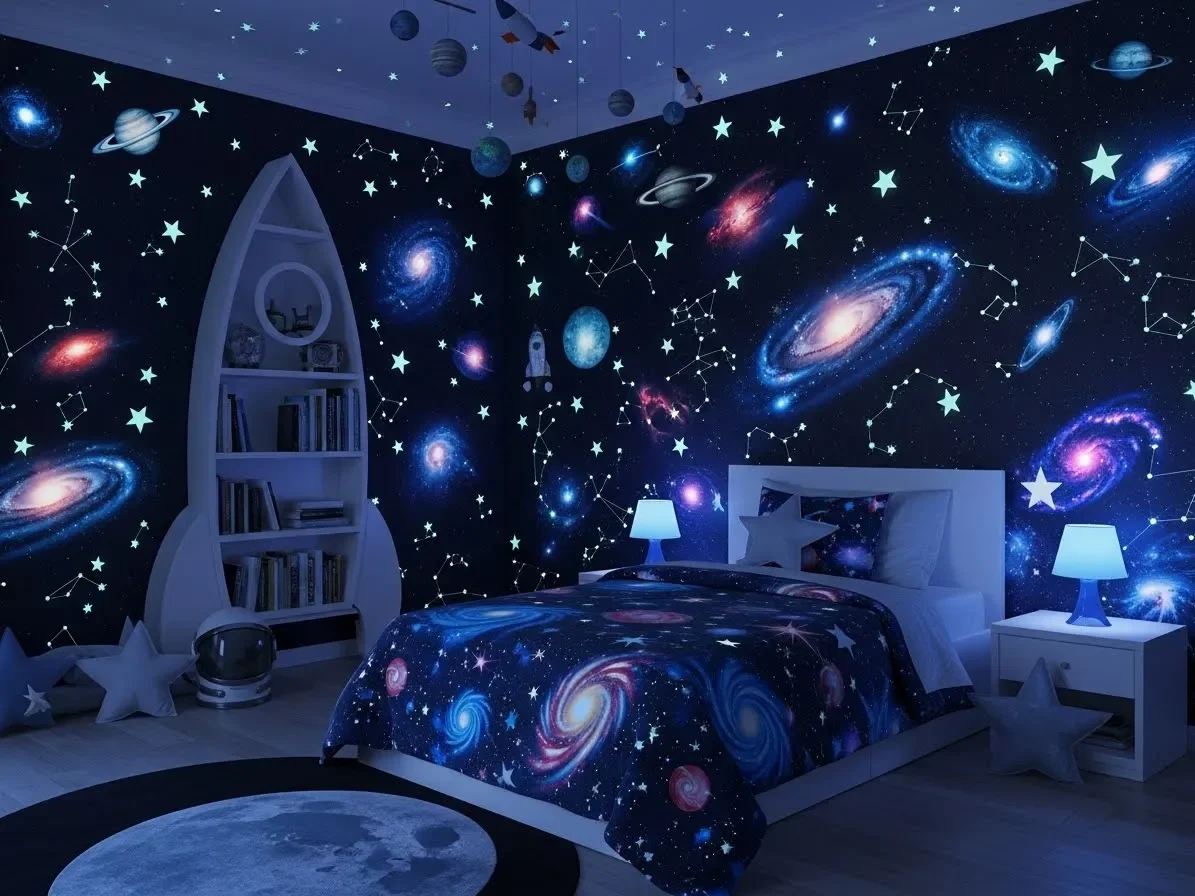
Turn your child’s room into a cosmic adventure with star decals, galaxy murals, and glow-in-the-dark accents. This theme caters to little dreamers who love rockets, planets, and outer space exploration. Add galaxy-themed bedding and educational posters to make learning fun.
3. Nature-Inspired Forest Escape
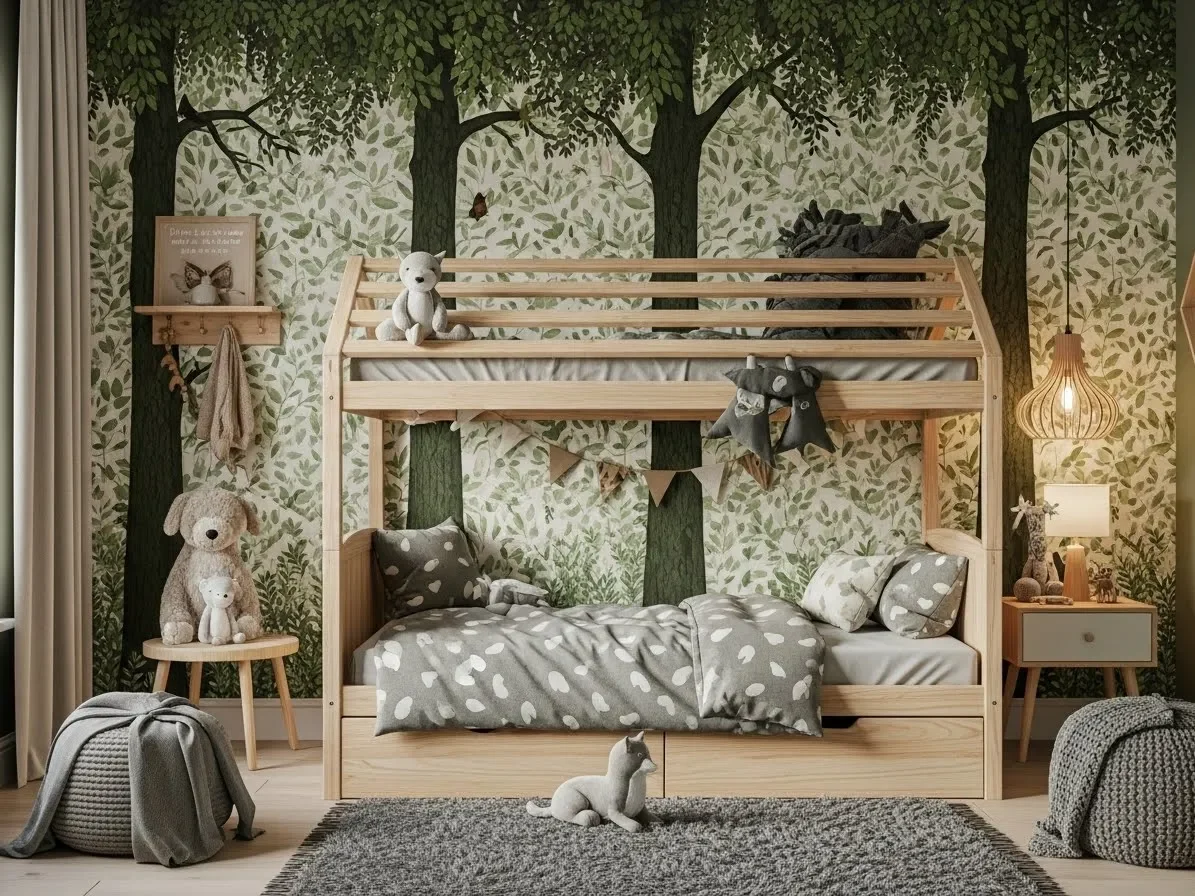
Incorporate earthy tones, woodland murals, and nature motifs to create a calming forest atmosphere. Use leafy décor, animal-shaped cushions, and wood accents to encourage a connection with the outdoors while nurturing your child’s creativity.
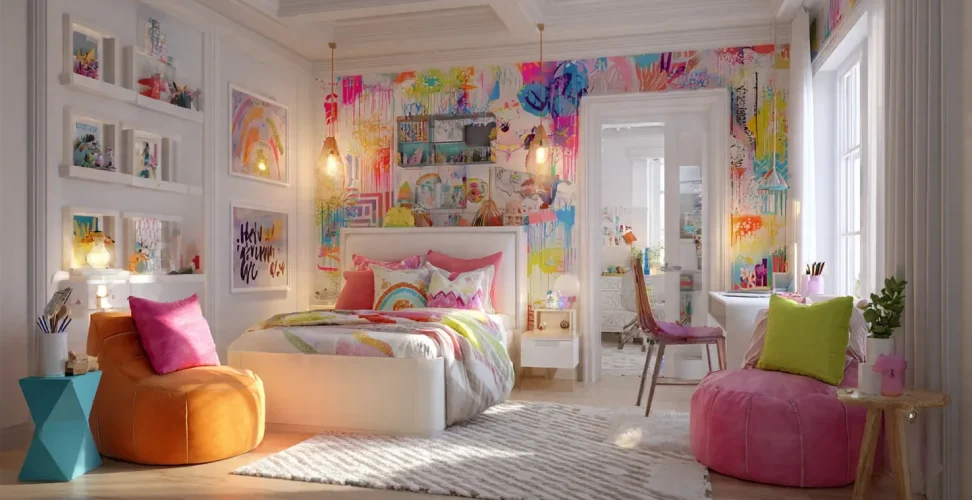
4. Playful Color-Pop Corner
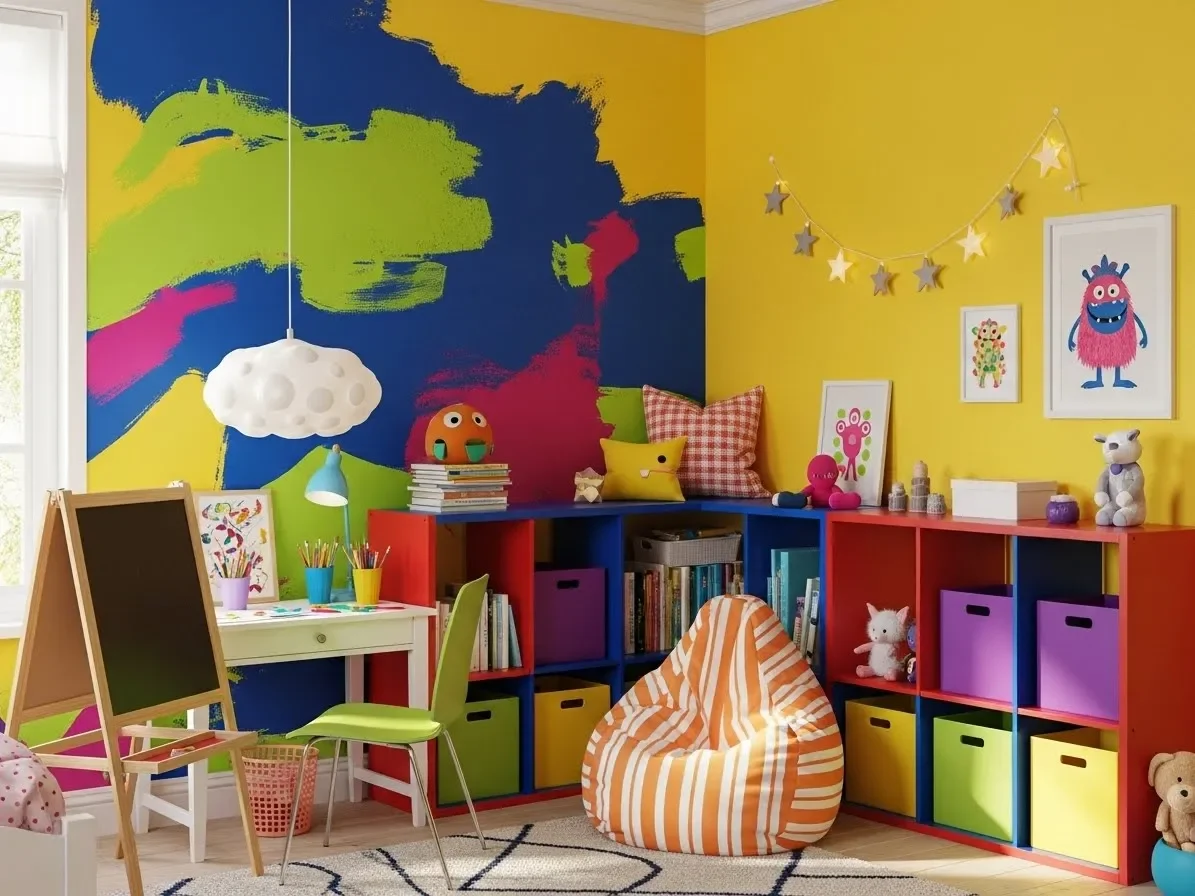
Infuse bold colors into your design to energize play and spark creativity. A vibrant desk or art corner encourages hands-on activities, while bright storage bins keep toys organized yet accessible. This corner becomes a favorite space for drawing, puzzles, and crafts.
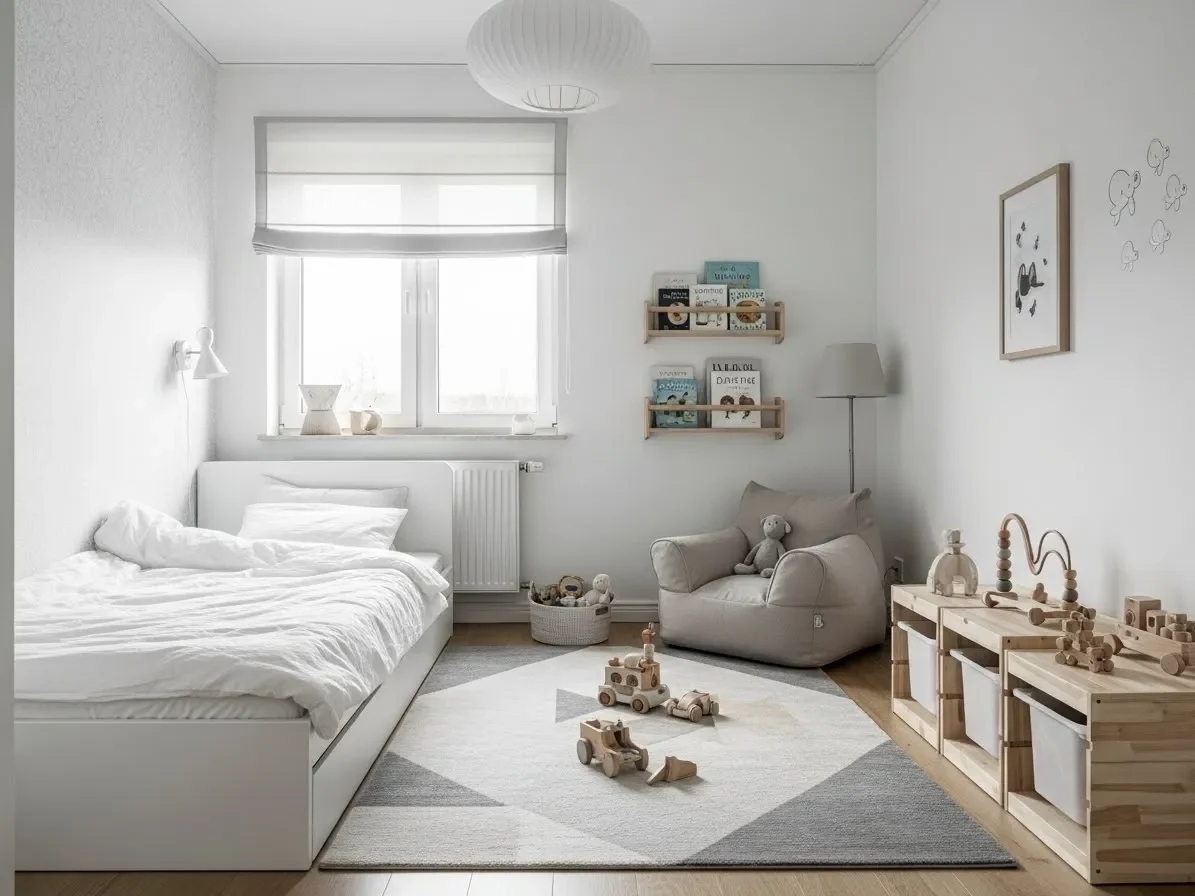
5. Minimalist Calm with Play Zones
Not every kids’ bedroom needs bright chaos. A minimalist layout with clean lines, gentle colors, and zoned play areas provides structure while keeping the room serene. A dedicated reading nook with pillows and simple décor balances calm with creativity.
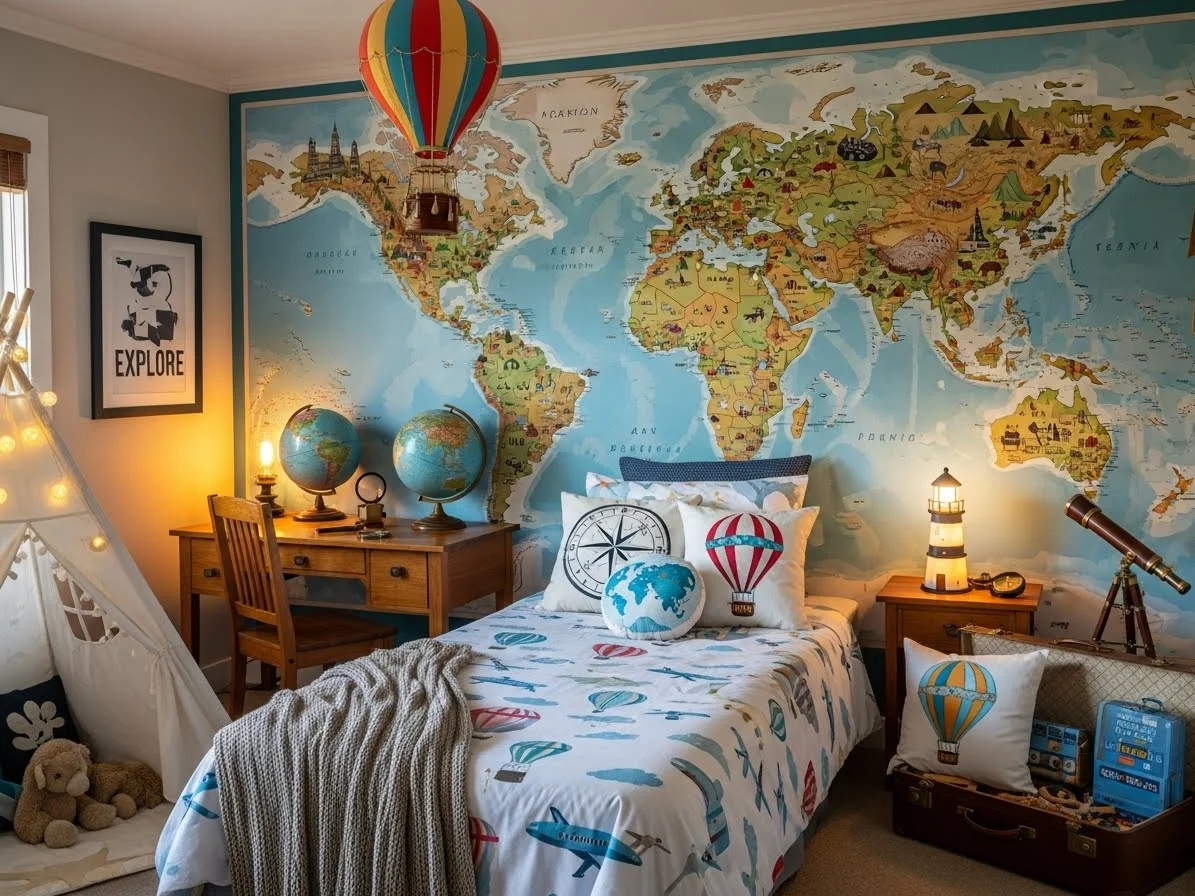
6. Nature and Travel Chronicles
Create a travel-inspired kids bedroom using maps, globes, and adventure themes. Educational wallpapers featuring continents or ocean creatures make the room both fun and insightful. Complement with wooden furniture and cozy textures to keep the room inviting.
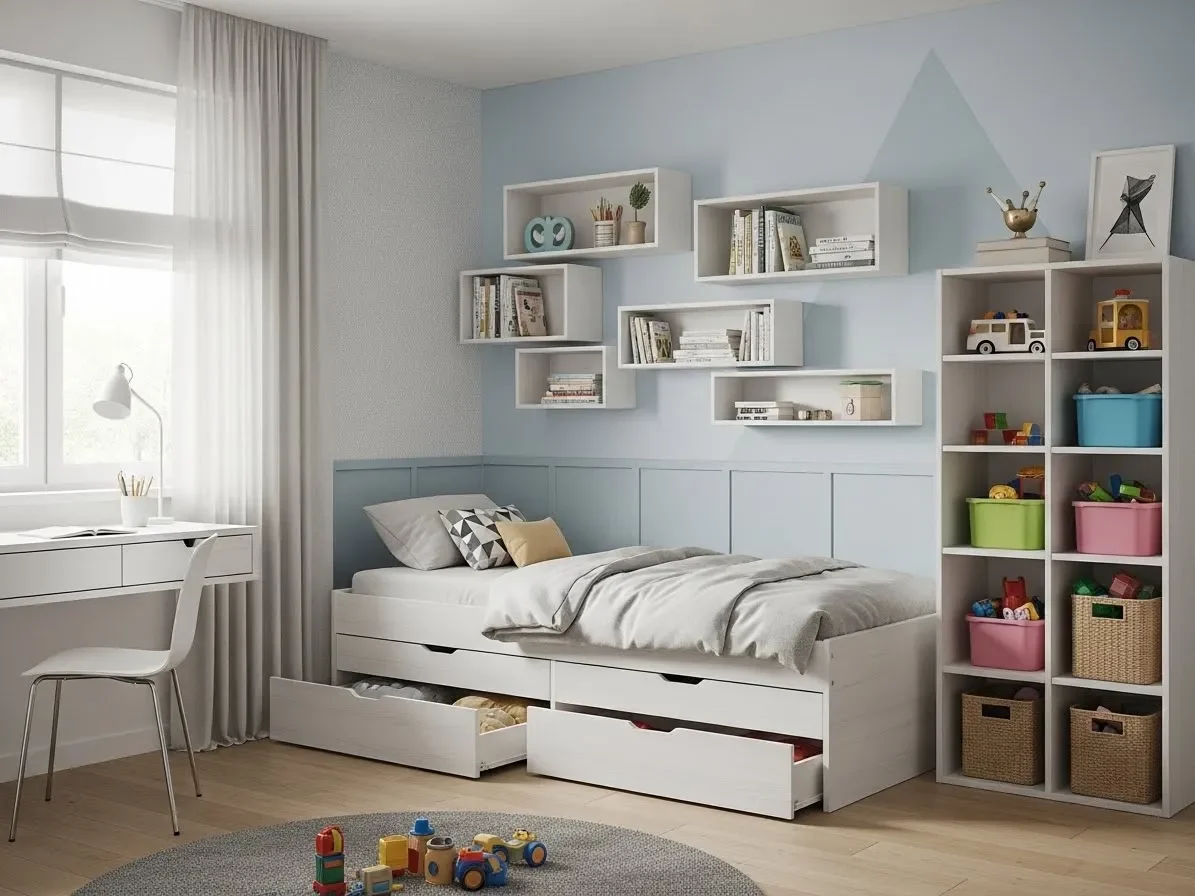
7. Practical Storage with Style
Kids’ rooms can quickly fill up with toys, books, and clothes. Design smart storage solutions with built-in drawers beneath beds, floating shelves, and multi-purpose furniture. This keeps clutter at bay while giving children plenty of room to play.
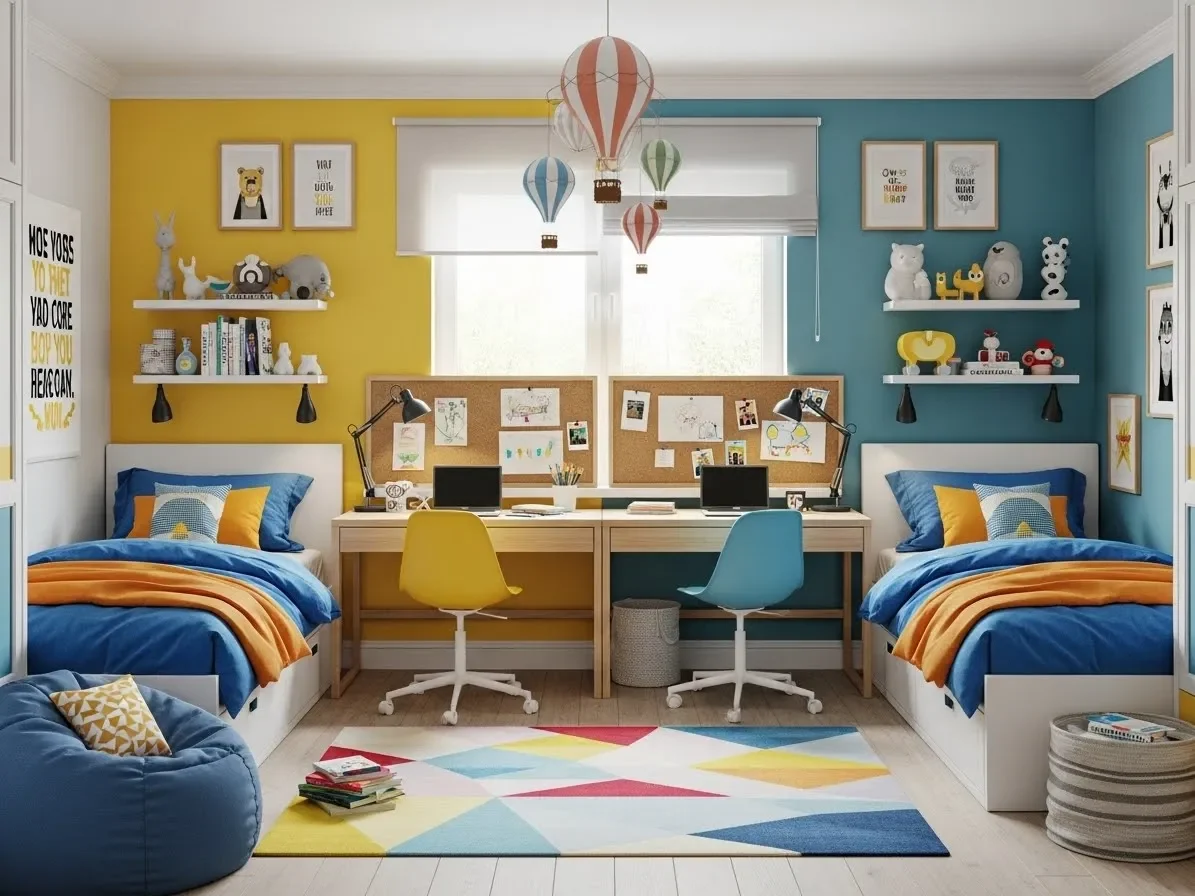
8. Twin or Sibling Sweet Spot
Shared bedrooms come with their own design challenges. Use playful color blocking or matching themes to give each child a sense of individuality while maintaining harmony. Floating shelves and dual desks help keep the room functional and fun.
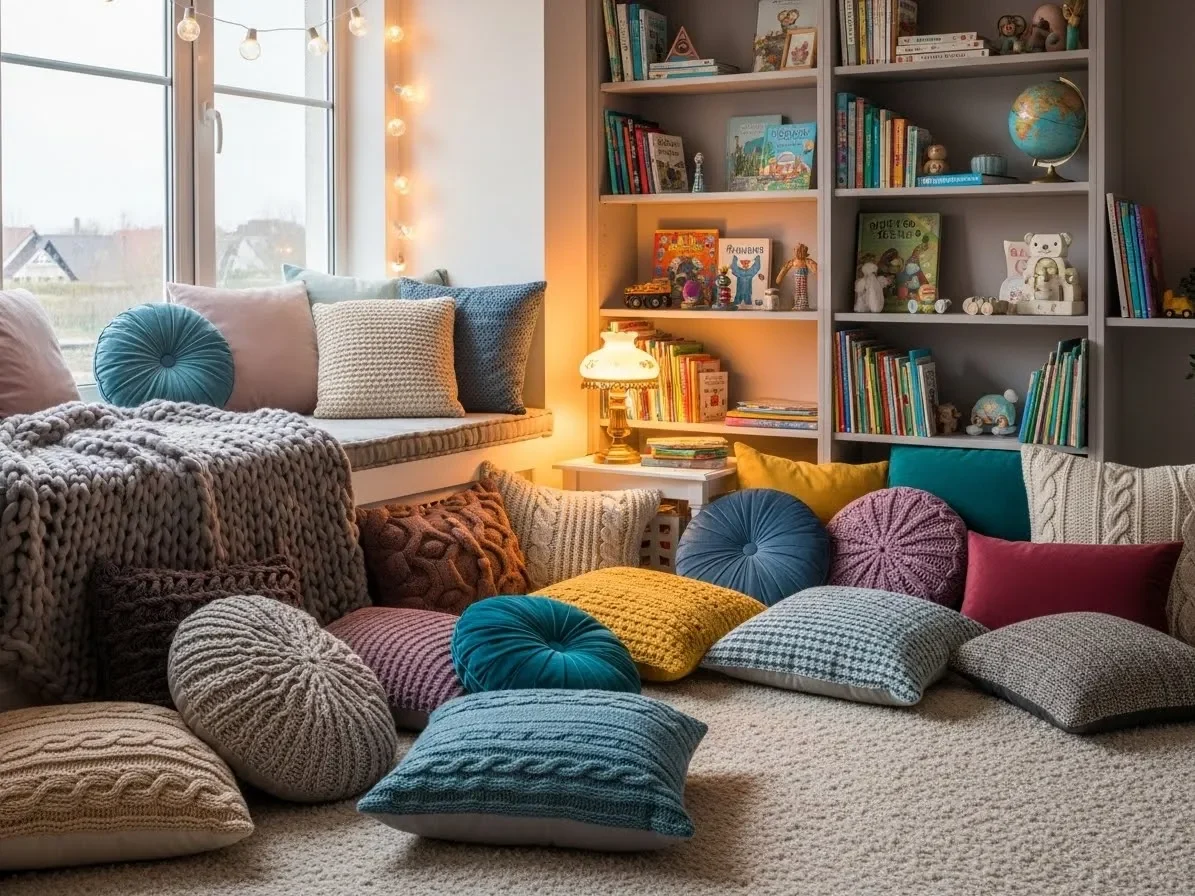
9. Reading Nook and Cozy Corners
Designate a quiet area filled with soft rugs, bean bags, or a cushioned bench by a window. A reading nook encourages a love for books and quiet play, while adding texture and comfort to the room’s overall design.
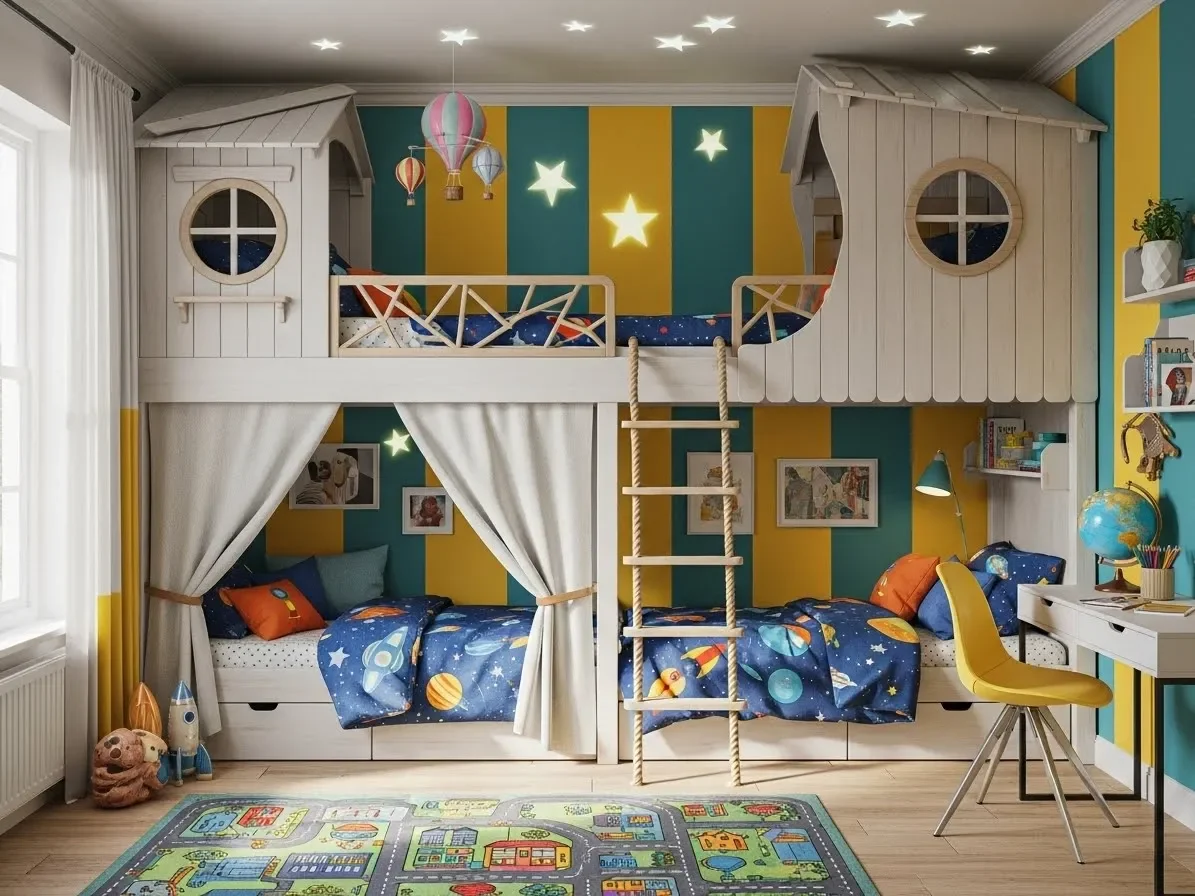
10. Bunk Bed Adventures
Bunk beds maximize space and add excitement to room design. They work especially well in shared rooms or larger spaces where climbing and imaginative play can thrive. Add fairy lights or themed bedding to enhance the playful look.
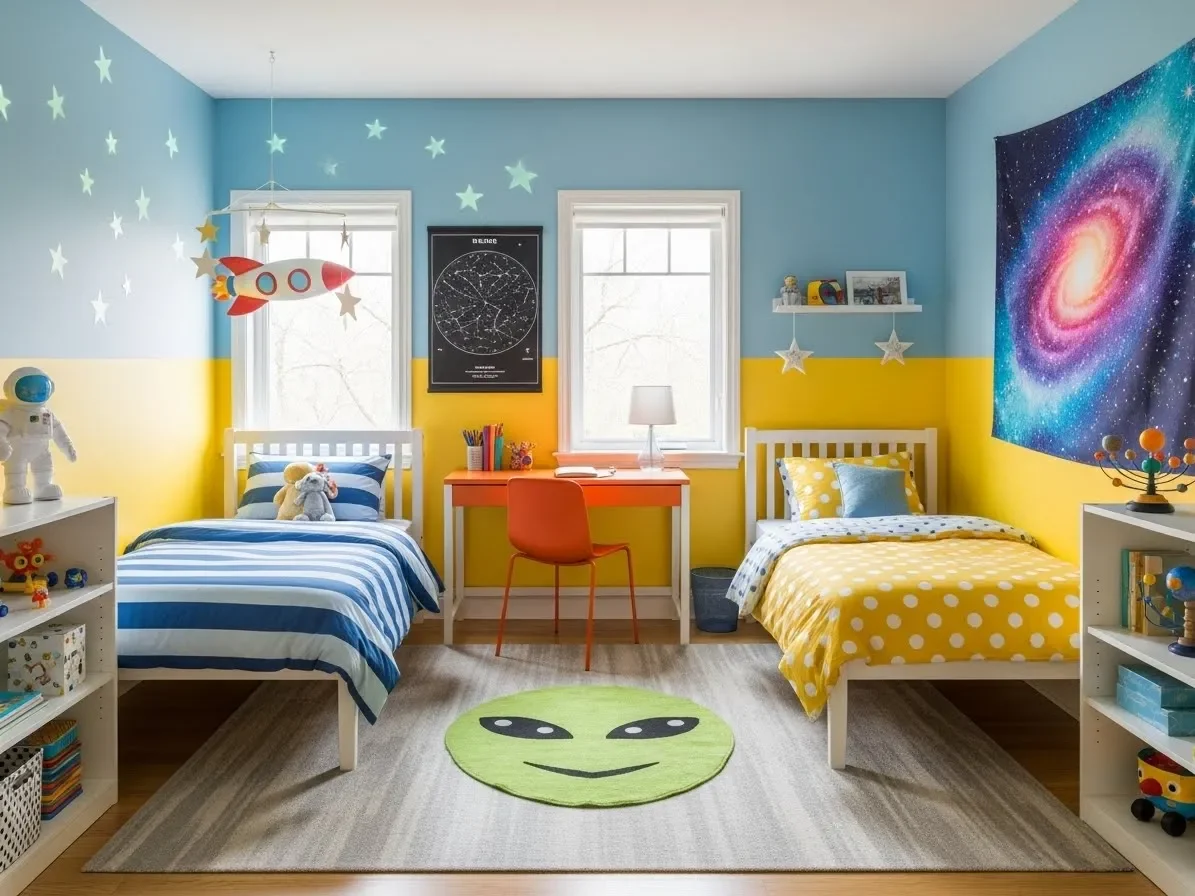
11. Color-Themed Dreamscape
For kids who adore bold or unique colors, consider a two-tone or accent wall design. Vibrant yellow, soothing blues, soft greens, or pastel pinks can transform the room’s mood and make it feel tailored to your child’s personality.
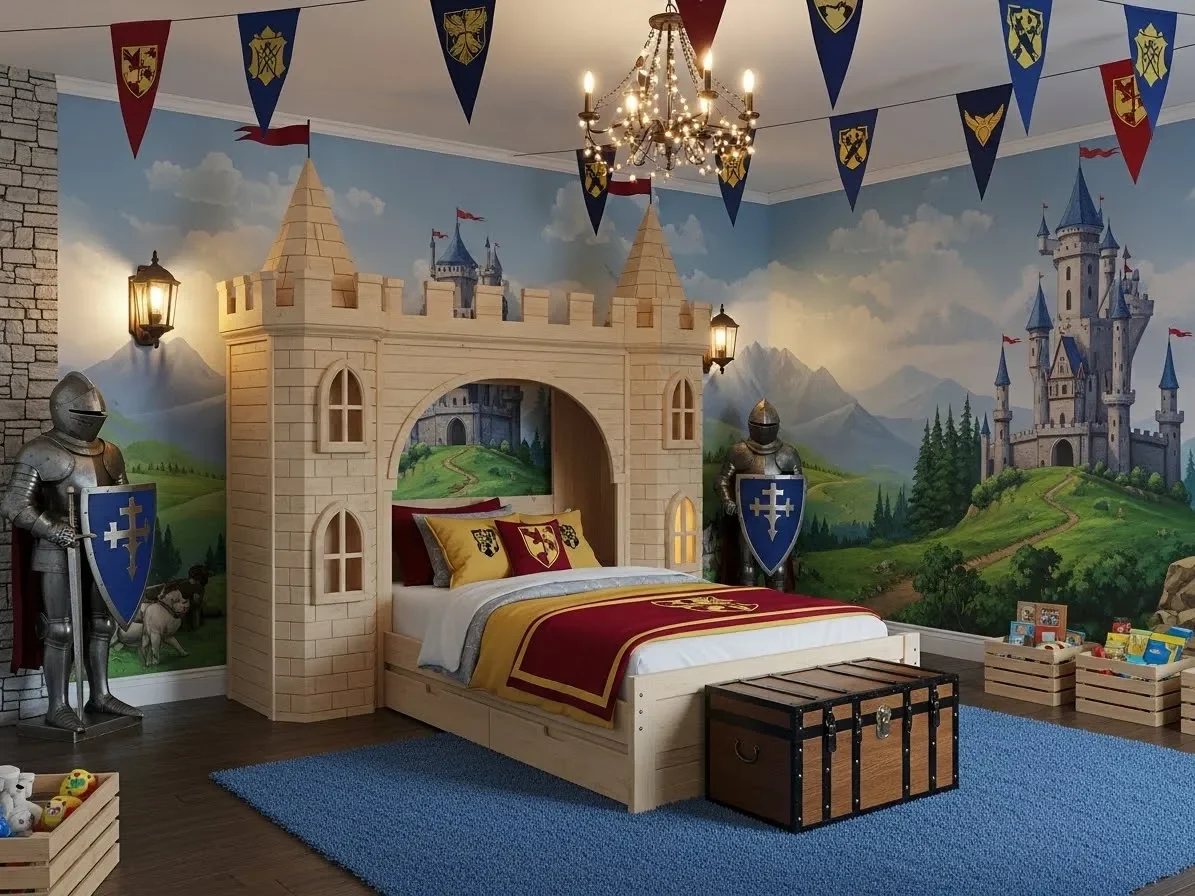
12. Fairy-Tale and Castle Theme
Bring fantasy to life with a castle motif, magical murals, or fairy-tale wall decals. Canopy beds and whimsical accents enhance the storybook feel, making bedtime something children look forward .
13. Study Zone + Play Space Combo
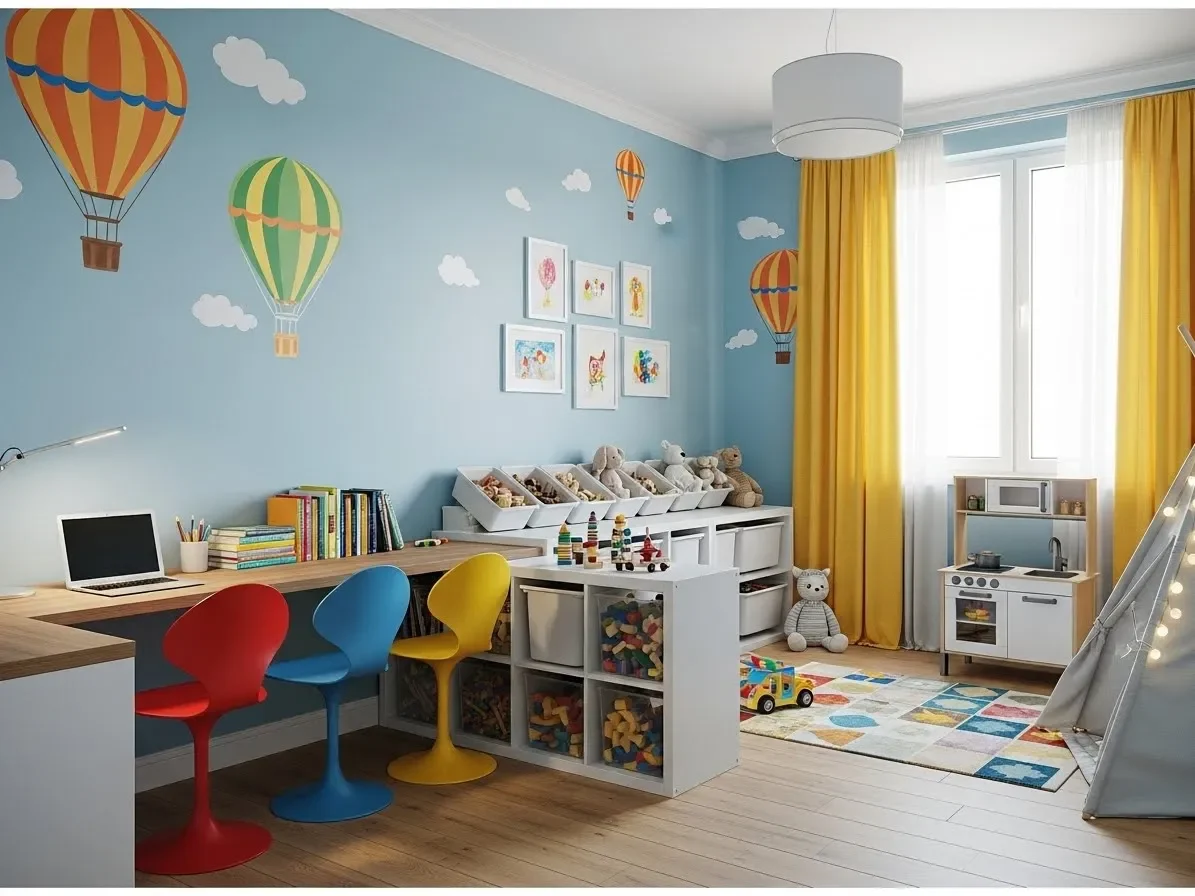
As kids grow, their rooms need to adapt. A combined study and play area encourages learning while still leaving space for fun. Choose a desk with lots of storage and pair it with an ergonomic chair and playful décor to keep the vibe engaging.
14. Theme – Art and Craft Workshop
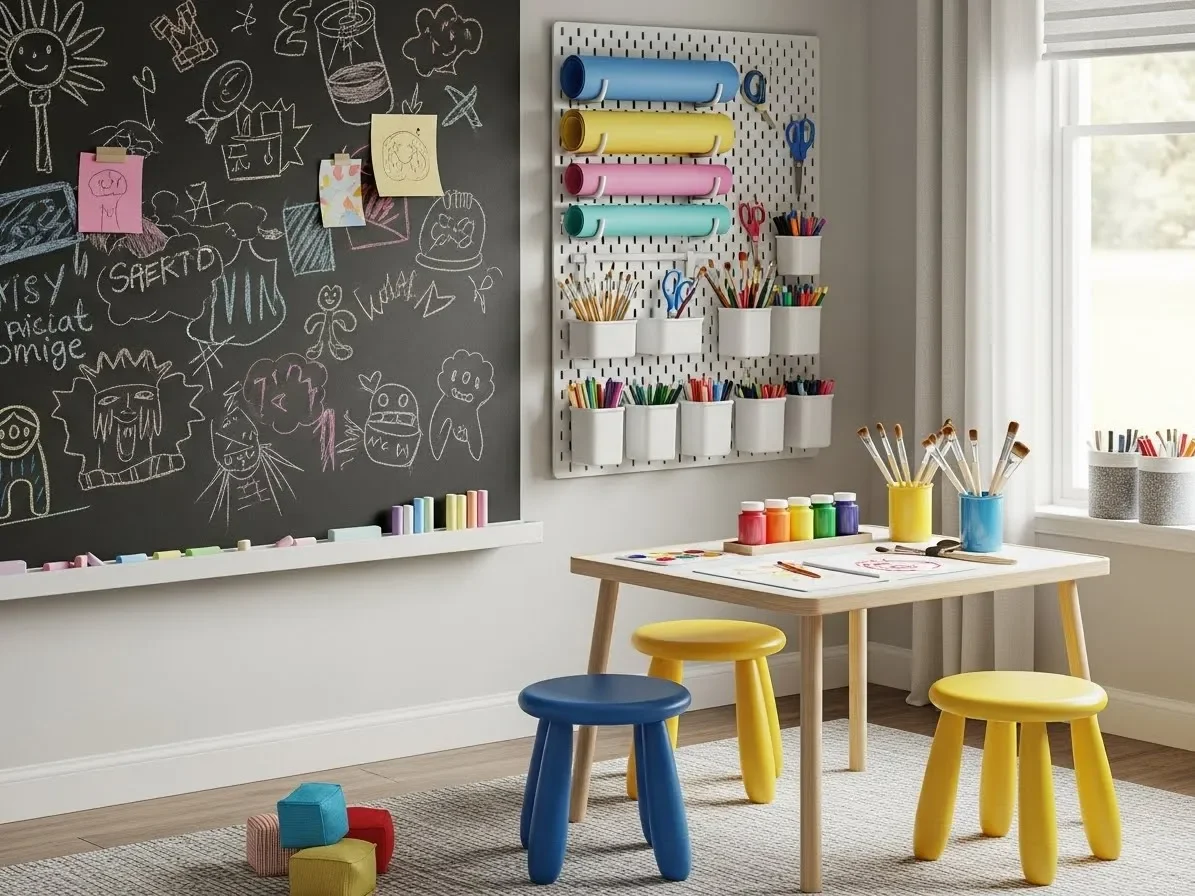
Turn a corner of the bedroom into an art station with mini easels, chalkboard walls, or pegboards for supplies. This makes creativity tangible and encourages children to express themselves through drawing, painting, and crafting.
Conclusion
Designing a child’s bedroom should be an exciting process that blends play, personality, and practicality. Whether you aim for whimsical fantasy themes or modern minimalist layouts, the key is creating a space where your child feels comfortable, inspired, and at home. With the right combination of color, texture, storage, and creative zones, you can build a room that not only looks good but grows with your child and fuels their imagination for years to come.
FAQs
Q1. What color is best for a kid’s bedroom?
There’s no one “best” color — cheerful shades like soft yellow, pastel blue, or even two-tone walls can make the room lively and fun. Ultimately, choose colors that reflect your child’s personality and support activities like play and study
Q2. How do I make a small kid’s bedroom feel bigger?
Use light wall colors, built-in storage beds, mirrors, and multi-purpose furniture to visually open up the room and maximize usable space.
Q3. Are themed bedrooms a good idea for kids?
Yes — themes like space, fairy tales, or travel can spark imagination and make the bedroom feel special. Just ensure the theme can evolve as your child grows
Q4. How can I include storage without making the room look cluttered?
Choose furniture with hidden storage, such as beds with drawers, floating shelves, and cabinets that double as décor pieces.
Explore More Ideas
Check out our other articles on HomefulSpell for more inspiration and dynamic spaces!