7 Reasons Your Home Still Feels Cluttered After Cleaning
Spent hours cleaning and still feel like something’s off? Here’s why — and exactly what to do about it.
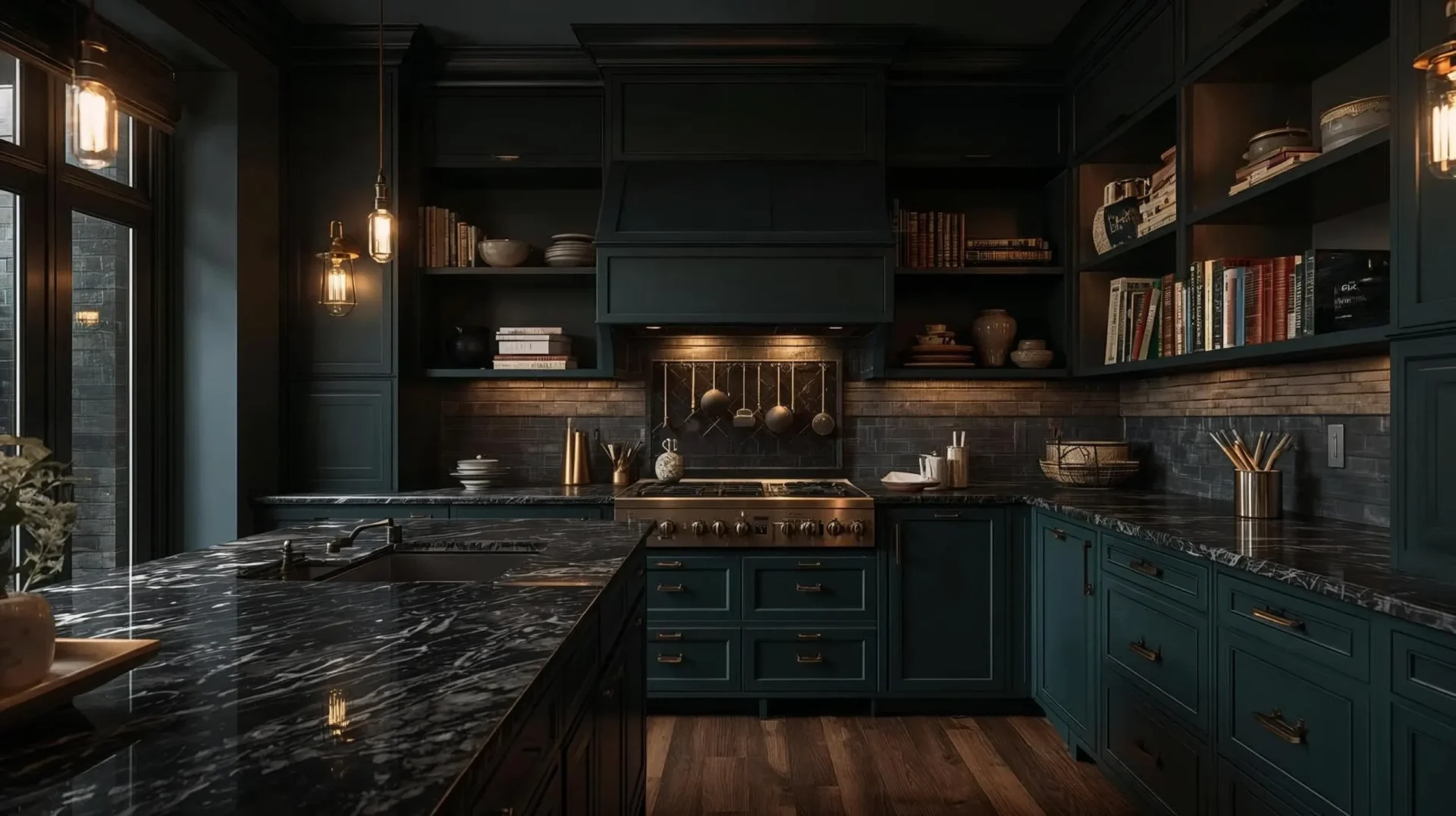
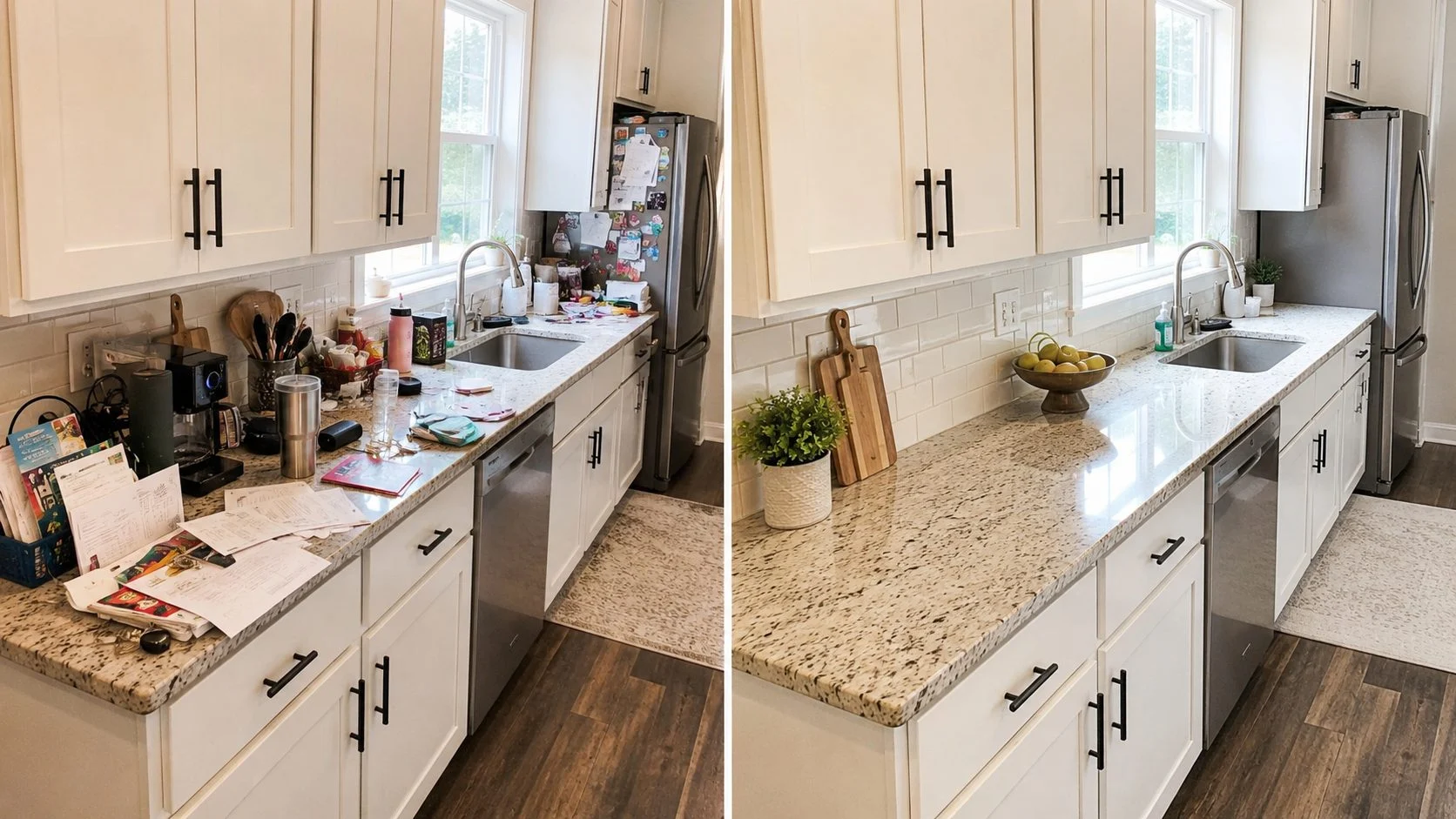
Kitchen and bathroom countertops are the first things people notice. Even when clean, too many visible items create a cluttered appearance.
Keep only daily-use items out. Store occasional appliances in cabinets. Aim to keep at least 70% of your countertop visible — the more open surface you see, the larger the room appears.
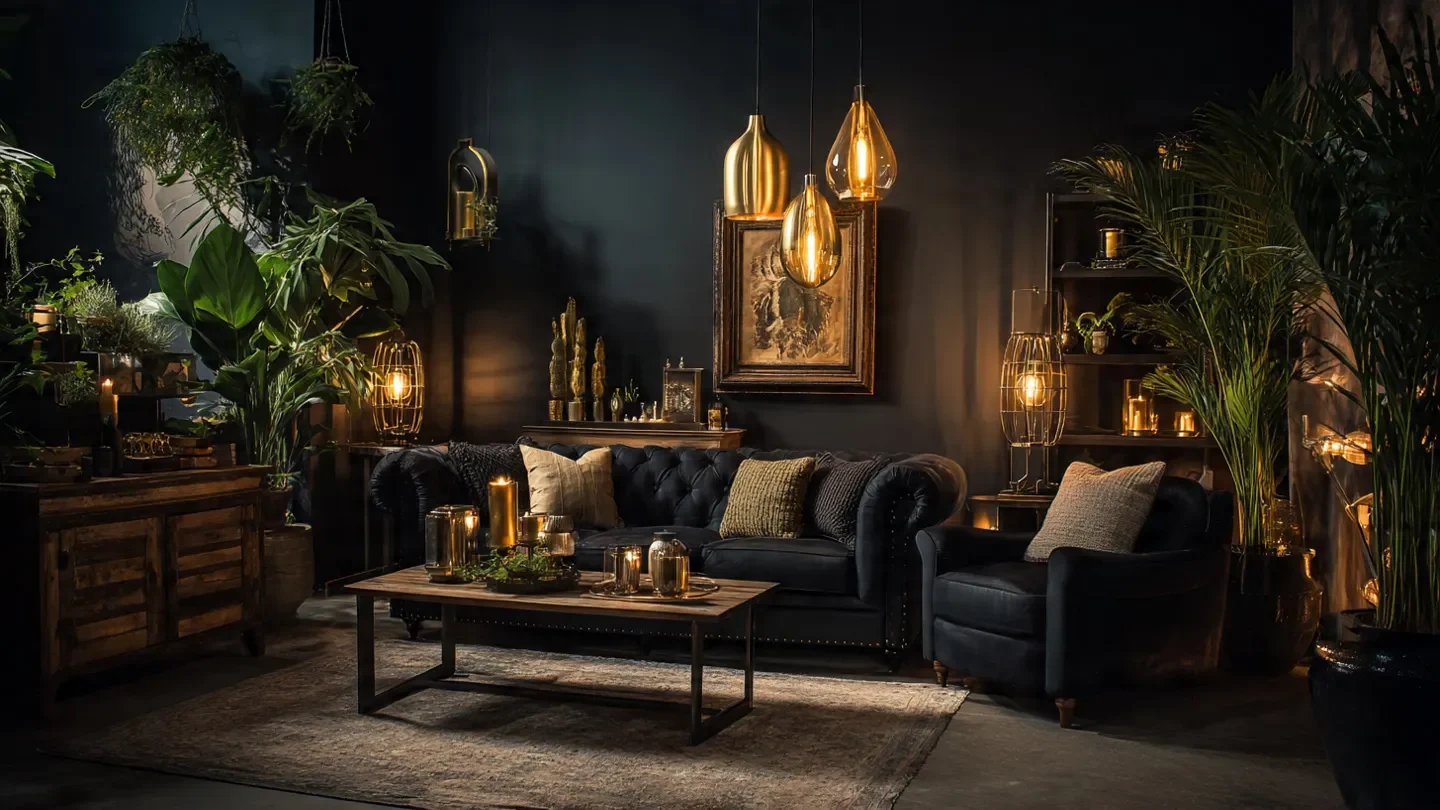
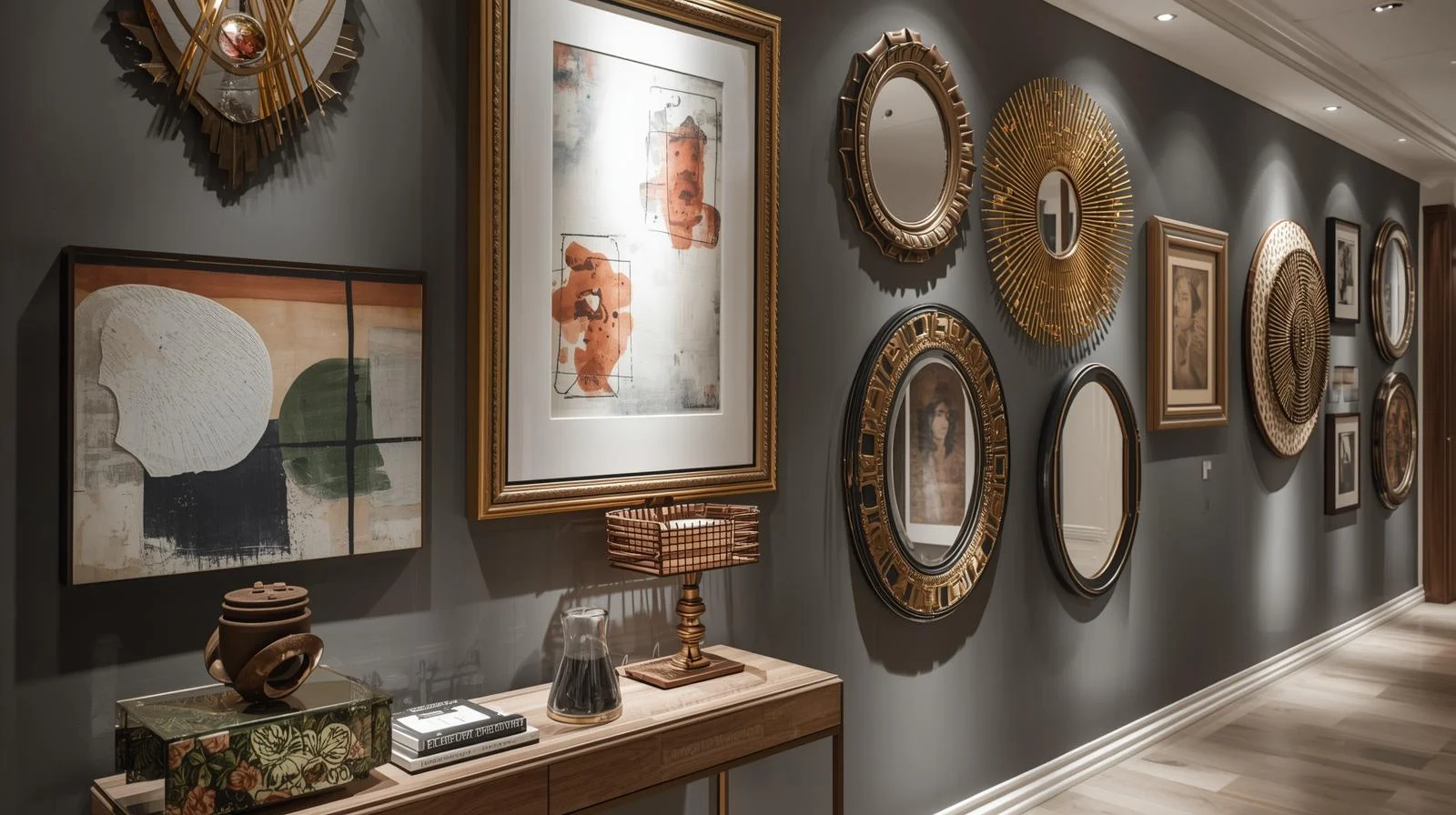
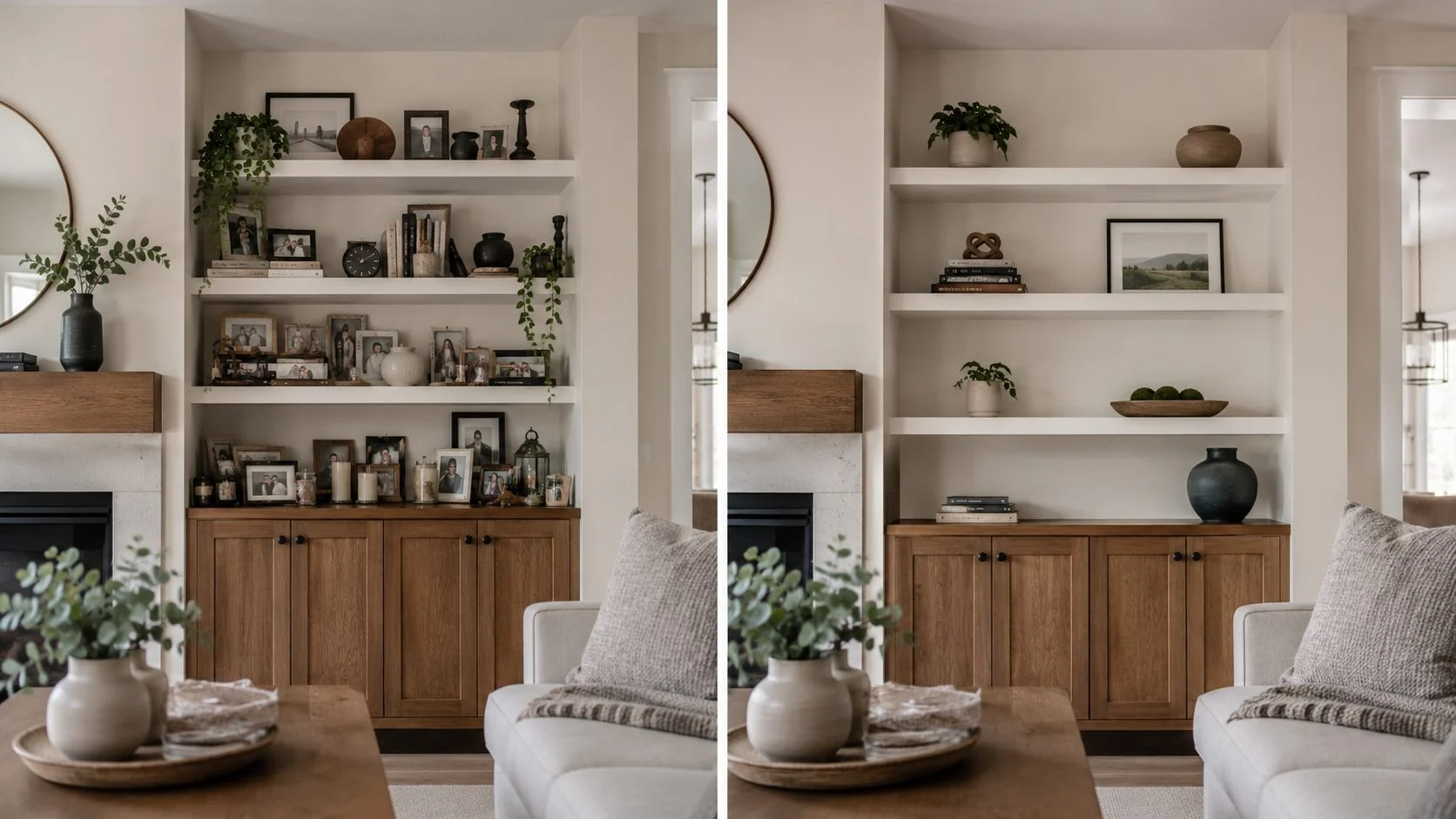
Decor makes a home welcoming. Too much decor has the opposite effect. Individually, items may look beautiful — together, they create visual noise.
Instead of displaying 10 small pieces, choose 3 larger statement items. Group instead of scatter. Professional designers follow the “less is more” principle for a reason.
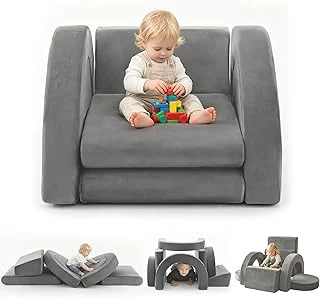
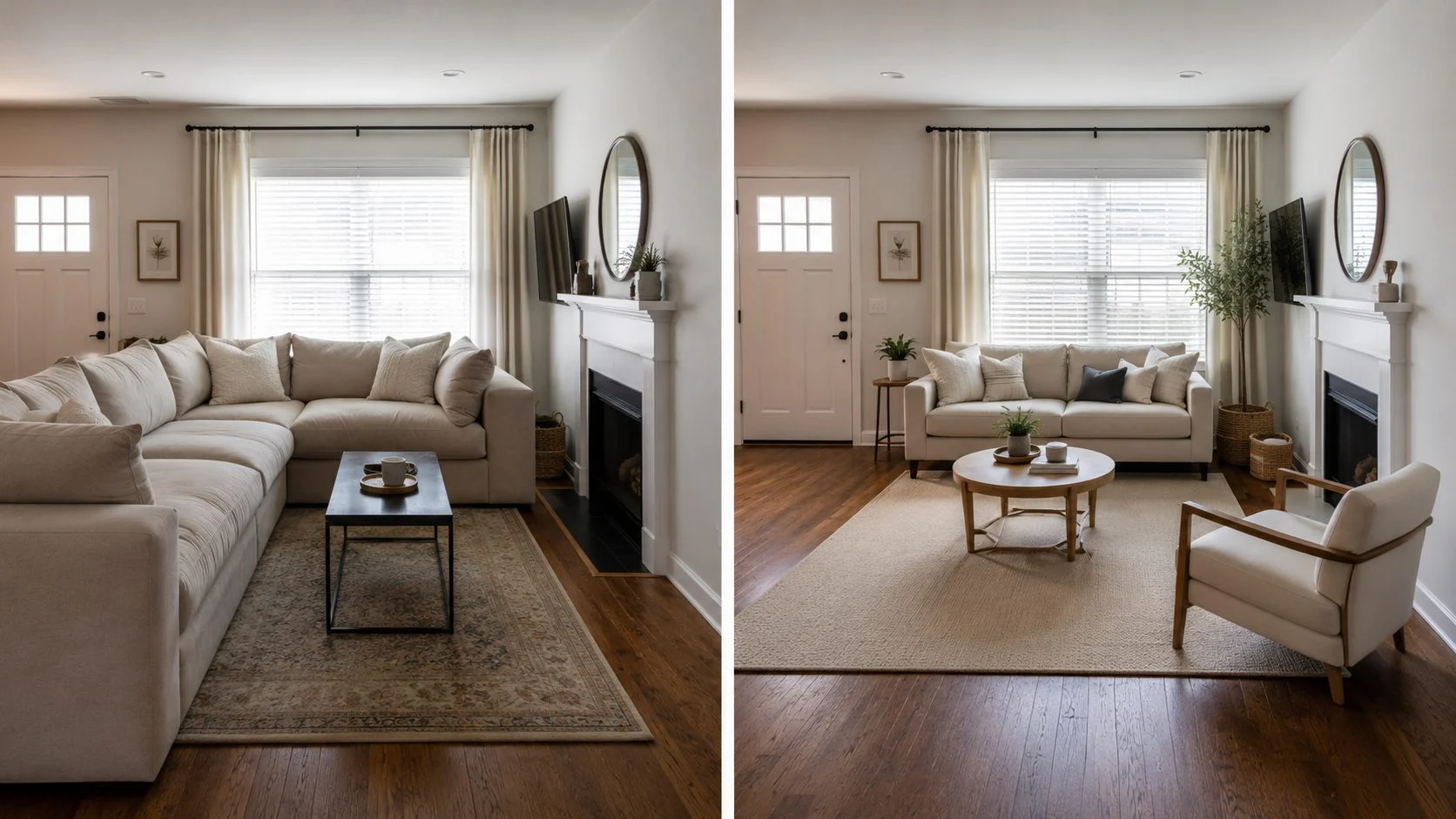
Choosing furniture based on appearance rather than room size is a common mistake. An oversized sofa may be comfortable, but if it overwhelms the room, the space feels cramped.
- Consider slim-profile sofas and nesting tables
- Use storage ottomans instead of coffee tables
- Swap bulky shelves for wall-mounted alternatives
- Scale furniture to match the room’s proportions
Open shelving looks beautiful in magazines, but real-life shelves become catch-all storage. Too many colors, shapes, and materials create visual stress.
- Leave empty space between items
- Use matching containers and limit colors
- Display fewer objects — and remember: empty space is part of the design
- Not every shelf needs to be full
Modern homes contain more technology than ever before. Even a clean room looks disorganized when cables are exposed.
Invest in cable sleeves, under-desk trays, and a dedicated charging station. Keeping wires hidden creates a cleaner, more intentional appearance instantly.
Buying more bins doesn’t automatically solve clutter. Poor storage systems often create more problems — random bins, mismatched containers, and unlabeled boxes make things worse.
- Does every item have a home?
- Can family members easily find things?
- Is it easy to put items back?
The best storage is the one people actually use consistently.
Sometimes the biggest source of clutter isn’t cleaning habits — it’s simply having too much stuff. Households gradually accumulate duplicates, forgotten purchases, and unused items over time.
Start with one category. Ask yourself:
- Have I used this in the last year?
- Does it serve a purpose?
- Would I buy it again today?
If the answer is no — donate or remove it.
The Psychology Behind Clutter
Clutter affects more than appearance. Research has shown that cluttered environments increase feelings of stress and reduce focus. When your brain constantly processes visual distractions, it becomes harder to relax.
An organized environment helps create:
Small Changes That Make a Big Difference
Clear One Surface Completely
Pick a kitchen counter, coffee table, or bathroom shelf. A single clutter-free surface transforms how a room feels.
Daily 5-Minute Reset
Each evening, return items to their homes, clear countertops, fold blankets. Small habits prevent clutter from building.
One-In, One-Out Rule
When you bring something new home, remove something old. This simple rule prevents accumulation over time.
Use Hidden Storage
Storage benches, ottoman storage, bed frames with drawers — reduce visual clutter while maintaining functionality.
Clean vs. Organized
Many people confuse the two — but they’re different things.
Removes dirt from your home. A clean home can still feel cluttered.
Removes chaos from your home. An organized home feels intentional.
What’s your biggest source of clutter?
Share your answer — we’d love to know what resonates most with you right now.